Liaoning carrier group details 40-day Pacific drill
Bastillepost · 2 SOURCESabout 2 hours ago2 MIN
Summary
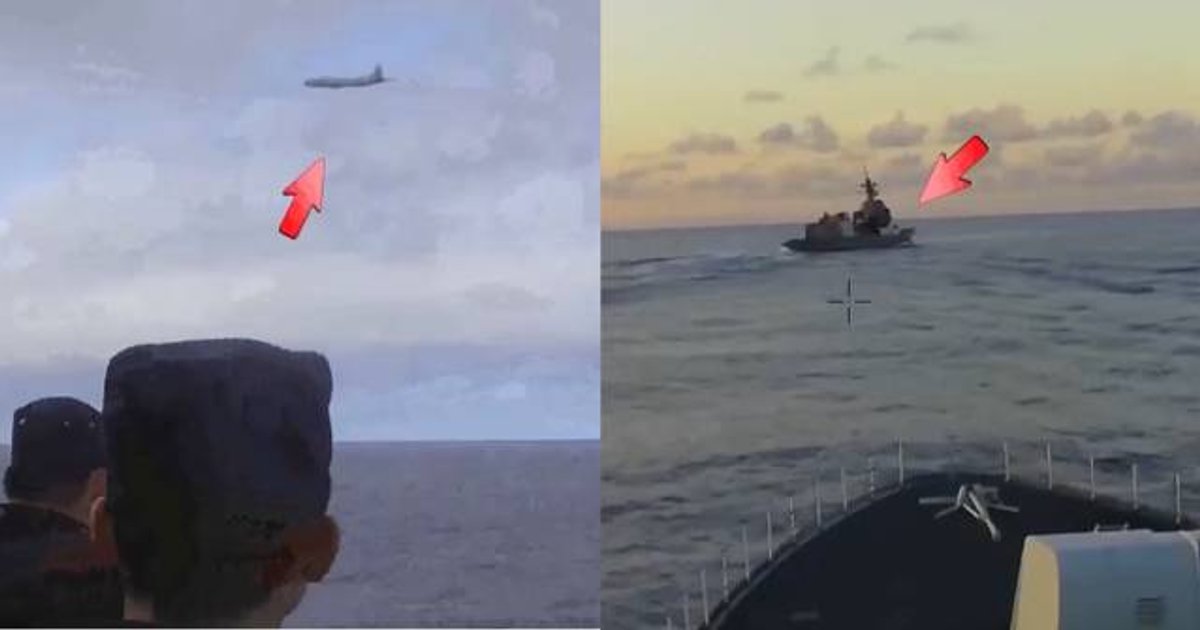
Chinese state media said the People's Liberation Army Navy's Liaoning carrier group departed on May 19 for training in relevant waters of the western Pacific and returned safely to its home port in Qingdao on June 22 after completing far-seas combat-oriented drills. The newly disclosed mission lasted more than 40 days, making it the longest far-seas training deployment since Liaoning entered service. During the deployment, Japanese ships and aircraft repeatedly conducted close-range tracking, surveillance and what the reports described as harassment, and the Chinese formation said it responded in a professional and measured manner. State media also said J-15 carrier fighters intercepted and drove away a Japanese P-3C anti-submarine patrol aircraft, while an Air Force YU-20 tanker refuelled J-15T fighters over the western Pacific.
Key Points
- The Liaoning carrier group sailed on May 19 and returned to Qingdao on June 22 after completing far-seas combat-oriented training in the western Pacific
- China Central Television said the deployment lasted more than 40 days, the longest such far-seas training mission since Liaoning was commissioned
- During the mission, Japanese ships and aircraft repeatedly tracked, monitored and approached at close range, prompting continuous high-alert operations by the formation.
- State media said J-15 fighters intercepted and drove away a Japanese P-3C aircraft, while the Type 054B frigate Luohe operated on the outer screen.
- The Type 901 replenishment ship Hulunhu, with a full-load displacement of 50,000 tonnes, was described as crucial to sustaining prolonged high-intensity operations
Why It Matters
For Hong Kong readers, the reports offer a clearer picture of how Beijing is presenting its ability to sustain longer carrier operations and coordinate naval-air missions farther from the mainland coast. They also show that encounters with Japanese surveillance assets remain a recurring feature of western Pacific deployments, adding to regional military tension that can shape the wider security environment in East Asia.