China details military leak cases over aircraft photos
SingTao · 2 SOURCESabout 2 hours ago2 MIN
Summary
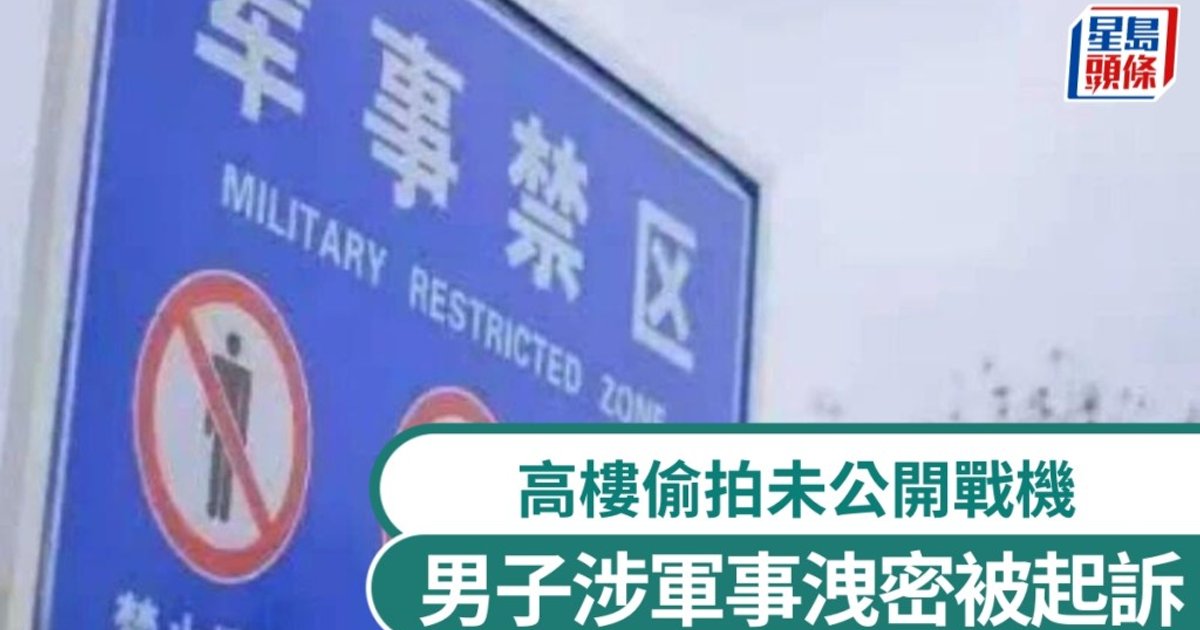
China’s Ministry of State Security said on September 8 that it had publicised several typical cases involving the illegal filming and disclosure of military secrets, including images of unreleased aircraft and sensitive facilities. In the most prominent case, a man identified as Tang was accused of using a residential high-rise beside an aircraft test site to photograph multiple warplanes over two days, including details of equipment that had not been made public. The ministry said the images were later assessed as classified military secrets and that Tang had been transferred to prosecutors on suspicion of illegally obtaining state secrets. Two other cases involved an alleged “urban exploration” group entering a military restricted zone and a pair accused of repeatedly flying drones over a military airport and training base.
Key Points
- The ministry’s September 8 notice said some suspects used “military enthusiasm” or “adventure” as cover for filming secret military targets and uploading material online
- Tang used mobile navigation to identify a high-floor “premium vantage point” in a housing estate beside an aircraft test field, then filmed for two consecutive days
- Authorities said Tang used a mobile phone and professional equipment to capture several aircraft types, including unreleased model and equipment details.
- Tang uploaded the photos to social media to show off, and although he deleted them within 10 minutes, the information had already spread quickly online
- In separate cases, Wang allegedly broke locks and climbed walls into a military restricted zone, while Zhao and Yang were punished over repeated drone filming.
Why It Matters
For Hong Kong readers, the cases are a reminder that images shared online for curiosity or attention can be treated by mainland authorities as criminal handling of state secrets when military subjects are involved. They also show how ordinary tools such as smartphones, high-rise vantage points and consumer drones can draw national security scrutiny once sensitive facilities or equipment are captured and circulated.