New Wild Cat Species Discovered in Bolivia for First Time in Over a Century
SingTao · 2 SOURCESabout 2 hours ago2 MIN
Summary
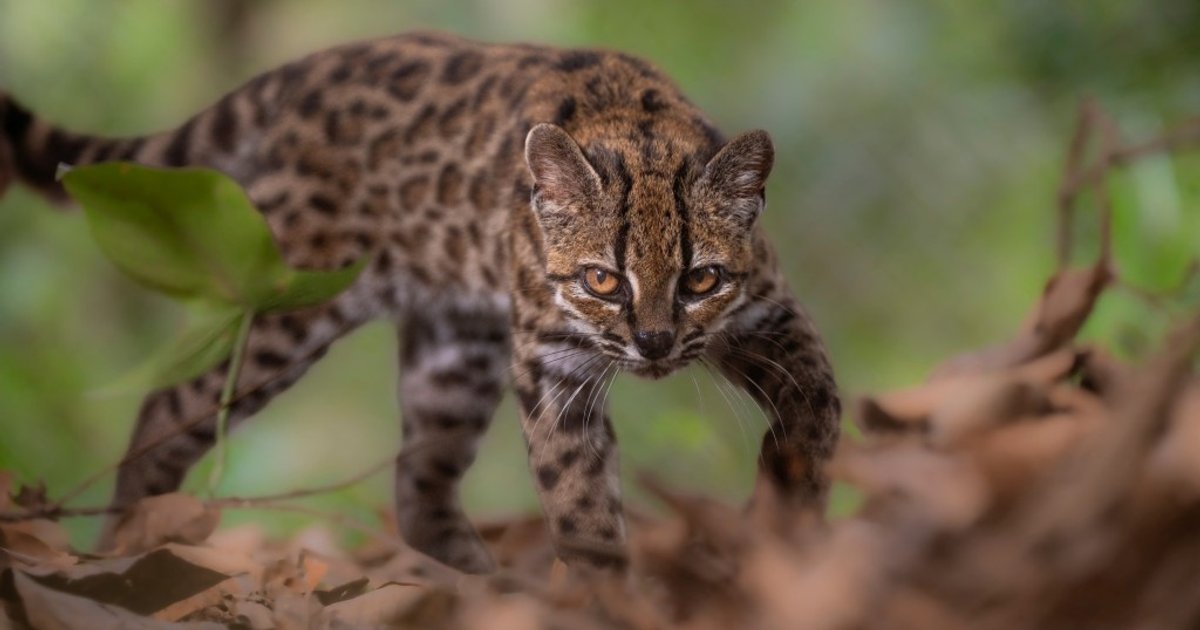
Scientists have confirmed the discovery of a previously unknown wild cat species in Bolivia's cloud forests, marking the first new living cat species identified in over a century. The animal, named the Tillcayo ocelot (Leopardus tilcayo), measures approximately 46 centimeters in body length and weighs about 1.4 kilograms. The only known living specimen is a 10-year-old male that was originally mistaken for a domestic cat before genetic testing revealed its unique status.
Key Points
- The Tillcayo ocelot inhabits the humid, cloudy mountain forests of Bolivia's Yungas region, featuring light brown fur with irregular rosette patterns
- Only one confirmed living specimen exists: a 10-year-old male nicknamed "Tigrino," rescued as a kitten and currently housed at Senda Verde Wildlife Sanctuary
- Genetic analysis of 38 feline samples from multiple South American countries reveals the species diverged from other ocelots approximately 1.4 million years ago
- The discovery could increase the official count of living cat species from 41 to over 44, as ocelots may comprise multiple distinct species
- Researchers submitted findings to the International Union for Conservation of Nature (IUCN), warning the species faces threats from deforestation, agricultural expansion, fires, and mining
Why It Matters
This discovery represents a landmark moment for conservation science, demonstrating that significant biodiversity remains undocumented even among well-studied animal groups like cats . The Tillcayo ocelot's likely endangered status underscores the urgency of protecting Bolivia's Yungas forests, which harbor unique ecosystems threatened by human activities .
This discovery represents a landmark moment for conservation science, demonstrating that significant biodiversity remains undocumented even among well-studied animal groups like cats . The Tillcayo ocelot's likely endangered status underscores the urgency of protecting Bolivia's Yungas forests, which harbor unique ecosystems threatened by human activities .