Lai says defence buildup aims to deter war
SingTao · 3 SOURCESabout 1 hour ago6 MIN
Summary
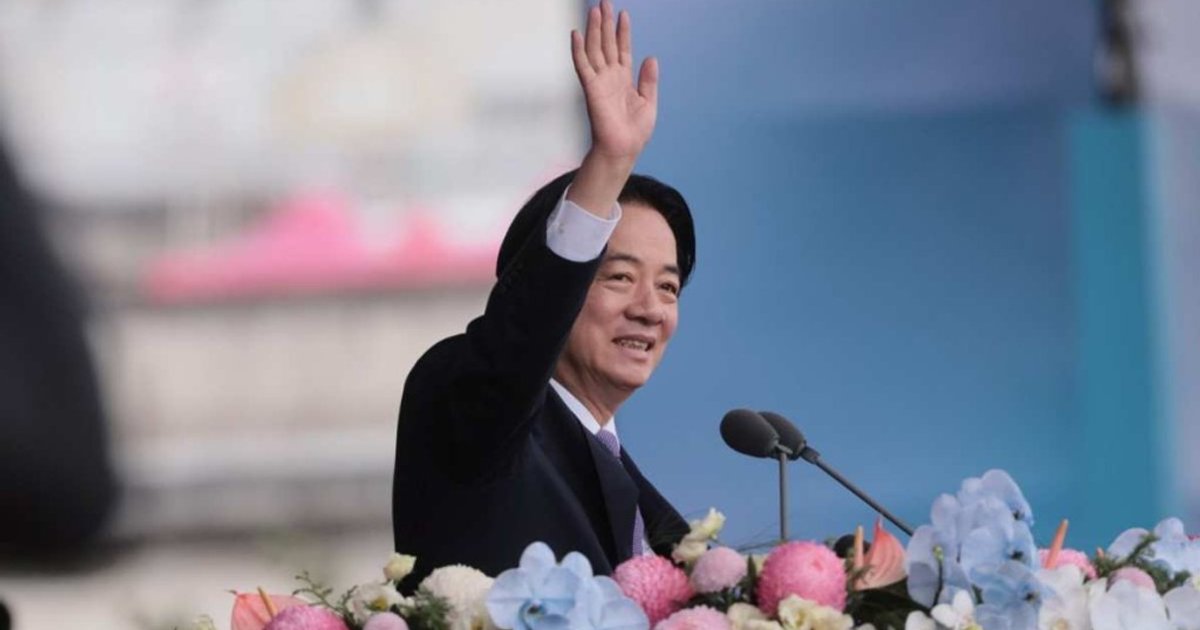
Taiwan leader Lai Ching-te (賴清德) said in his Double Tenth Day speech in Taipei on Saturday, October 10, that peace cannot rest on goodwill alone and that increased defence investment is intended to deter war rather than provoke it. He said strengthening Taiwan’s self-defence does not mean giving up dialogue, but is meant to ensure any talks take place on a basis of equality and dignity. Lai also said mainland China has continued military and grey-zone pressure in an attempt to change the status quo in the Taiwan Strait, while Taiwan would continue defence reform, build asymmetric capabilities and develop its domestic defence industry. He added that he welcomed dialogue between Washington and Beijing to manage competition and reduce the risk of conflict, while insisting regional peace must also respect the Taiwanese people’s right to survival and preserve the existing regional order.
Key Points
- Speaking at the Double Tenth celebrations in Taipei on October 10, Lai said peace cannot rely on wishes alone and defended higher defence spending as deterrence.
- Lai said stronger self-defence was not a rejection of dialogue, but a way to ensure future talks could proceed with equality and dignity.
- He accused mainland China of using military and grey-zone actions to pressure Taiwan and to try to alter the Taiwan Strait status quo.
- Lai said Taiwan would press ahead with defence reform, strengthen asymmetric warfare capabilities and expand its indigenous defence industry in response to pressure.
- He also referred to next month’s local elections, saying parties may compete and views may differ, but Taiwan should not be divided by threats or inducements.
Why It Matters
For Hong Kong readers, Lai’s remarks point to continued tension across the Taiwan Strait at a time when Washington and Beijing are also being urged to manage rivalry through dialogue. That combination of deterrence, political messaging and calls for talks matters because any shift in cross-strait stability can affect the wider Indo-Pacific security environment closely watched in Hong Kong.