CK Hutchison Launches Arbitration Against Panama, Seeks Over US$1.5B
Bastillepost · 3 SOURCESabout 3 hours ago2 MIN
Summary
CK Hutchison Holdings (00001) announced on August 20 that it has commenced international arbitration proceedings against the Republic of Panama, seeking compensation exceeding US$1.5 billion for breach of an investment protection treaty . The arbitration was initiated after multiple attempts to resolve the dispute through diplomatic channels proved unsuccessful . The case centers on Panama's alleged state-level campaign to undermine CK Hutchison's port investments in the country, culminating in the forcible seizure of two major container terminals .
Key Points
- CK Hutchison launched international arbitration on August 20 against Panama for violating investment protection treaty obligations
- The company is seeking more than US$1.5 billion in compensation for destruction of its port investments in Panama
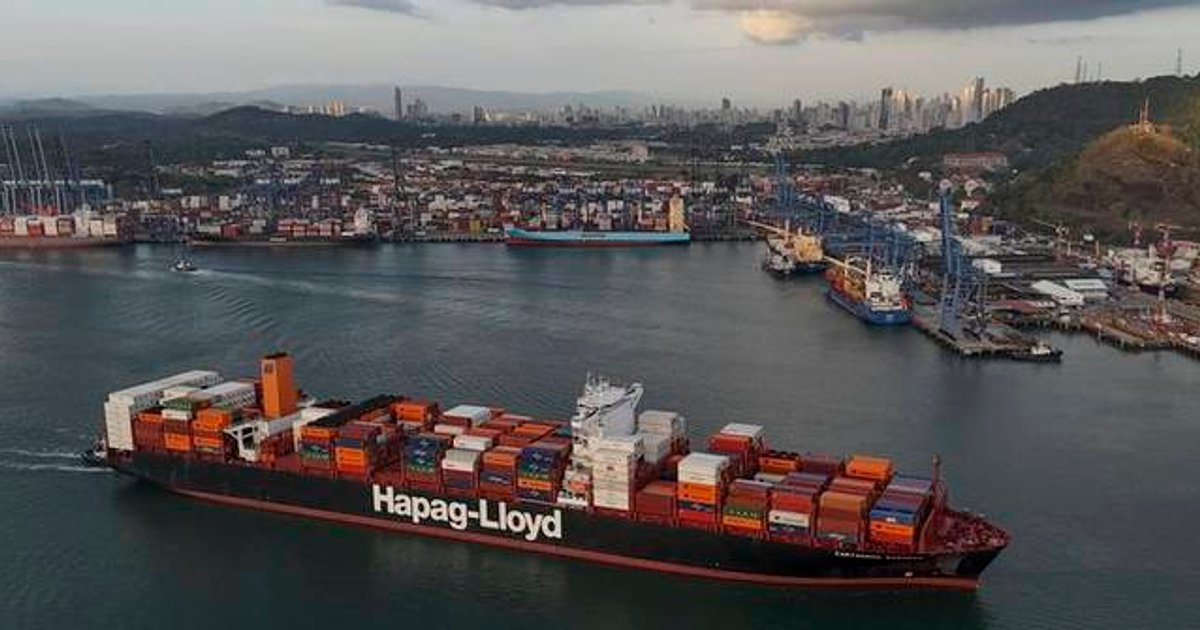
- Affected facilities include the Balboa and Cristóbal container terminals, which Panama forcibly took over on February 23
- CK Hutchison issued a formal treaty dispute notice on February 4, but Panama held only a perfunctory consultation meeting six months later
- Panama seized property, equipment, technology, employees, and legally protected documents during the takeover
Why It Matters
The arbitration highlights the risks multinational corporations face when investing in strategically sensitive infrastructure abroad, particularly in countries where political winds can shift rapidly. CK Hutchison's action signals that Hong Kong-listed companies are willing to use international legal mechanisms to protect their overseas assets against what they view as unjust state actions, potentially setting a precedent for future disputes involving sovereign nations and foreign investors .
The arbitration highlights the risks multinational corporations face when investing in strategically sensitive infrastructure abroad, particularly in countries where political winds can shift rapidly. CK Hutchison's action signals that Hong Kong-listed companies are willing to use international legal mechanisms to protect their overseas assets against what they view as unjust state actions, potentially setting a precedent for future disputes involving sovereign nations and foreign investors .