Ombudsman Launches Investigation into Hong Kong Mobile Library Services Amid Equity Concerns
HK01 · 1 SOURCESabout 2 hours ago2 MIN
Summary
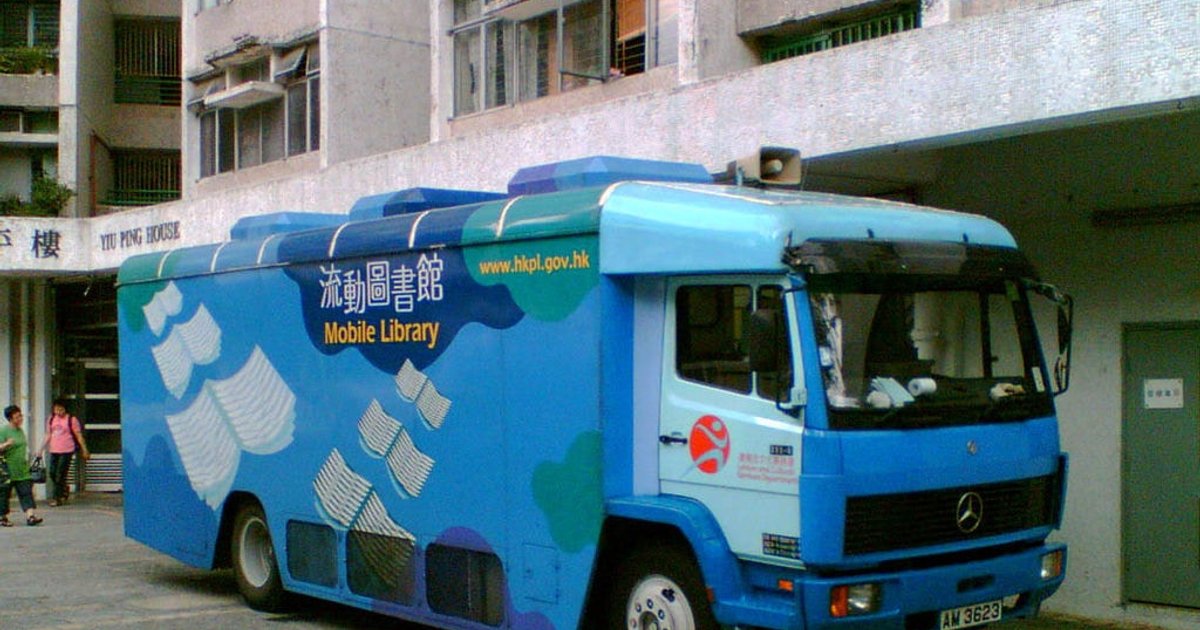
The Ombudsman of Hong Kong has launched an active investigation into the mobile library services operated by the Leisure and Cultural Services Department (LCSD), focusing on whether these services adequately address reading equity across the territory. The investigation, announced on August 6, examines 12 mobile library vehicles serving 112 service points, 2 Happy Mobile Libraries conducting outreach activities, and 3 self-service book stations. In 2025, these services combined recorded approximately 575,000 visits and circulated 397,000 library materials. The inquiry comes as critics argue that mobile libraries have become routine administrative exercises rather than proactive cultural services reaching underserved communities.
Key Points
- The Ombudsman's investigation targets LCSD's mobile libraries, Happy Mobile Libraries, and self-service book stations across Hong Kong
- Current infrastructure includes 71 fixed libraries, 12 mobile library vehicles serving 112 sites, 2 outreach Happy Mobile Libraries, and 3 self-service stations
- In 2025, mobile and self-service services recorded approximately 575,000 visits and lent 397,000 library items
- Annual visits to service points in public housing estates range from dozens to thousands, indicating significant disparities in site selection
- The Ombudsman noted that mobile library services frequently suspend operations and show highly uneven usage patterns
- Happy Mobile Libraries show low numbers of school visit activities, raising questions about their outreach effectiveness
Why It Matters
The investigation signals potential reforms to how Hong Kong distributes cultural resources, particularly for children in remote public housing estates, ethnic minority families, and low-income households who may lack easy access to fixed libraries. If the Ombudsman identifies systematic gaps, the government may need to redesign mobile services as proactive reading equity tools rather than passive substitutes, potentially reshaping Hong Kong's approach to universal cultural access.
The investigation signals potential reforms to how Hong Kong distributes cultural resources, particularly for children in remote public housing estates, ethnic minority families, and low-income households who may lack easy access to fixed libraries. If the Ombudsman identifies systematic gaps, the government may need to redesign mobile services as proactive reading equity tools rather than passive substitutes, potentially reshaping Hong Kong's approach to universal cultural access.