Autism Support Advocate Calls for Extended Employment Programs and Education Reform
SingTao · 1 SOURCESabout 2 hours ago5 MIN
Summary
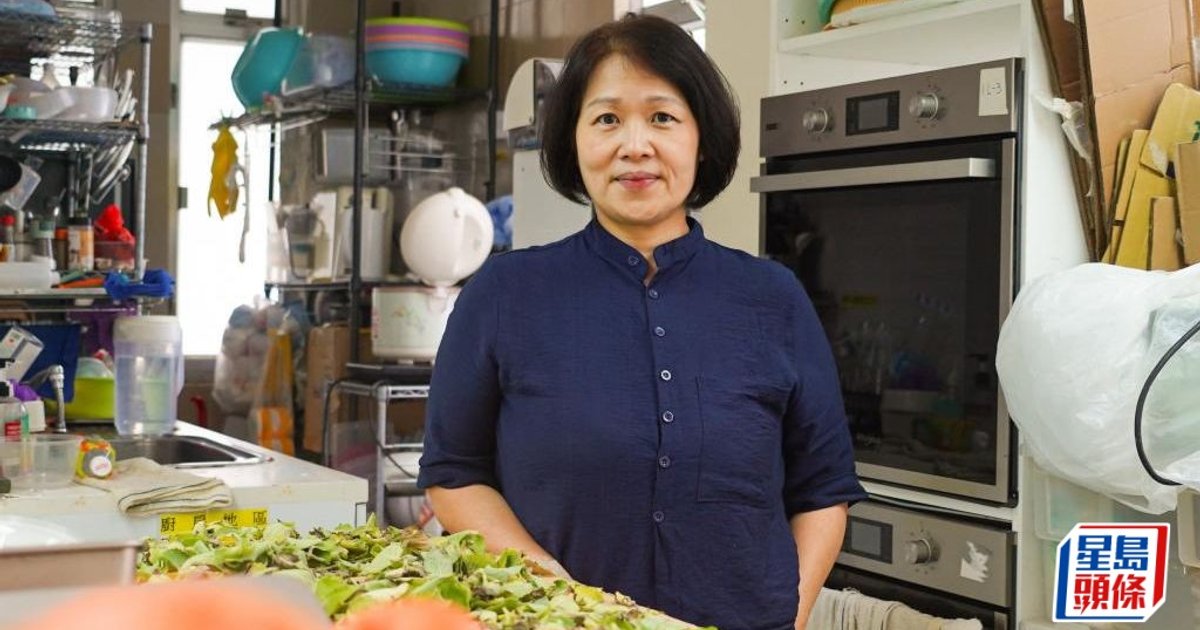
Macy Chong Pui-king (莊寶琼), chairman of the One Dream Charity Foundation, an autism patient self-help organization, has revealed the daily struggles faced by families raising children with special educational needs (SEN). Her 24-year-old son, who was diagnosed with autism years ago when information and training resources were scarce, has now graduated from a vocational school. Speaking ahead of the new school year, she described summers as a "battle" for SEN families, who must arrange activities, training, and compete for limited respite care slots through lottery systems. Beyond immediate challenges, Chong is calling for systemic reforms to Hong Kong's integrated education framework and extended employment support for SEN youth.
Key Points
- Chong Pui-king's son is now 24 years old and has graduated from a vocational school, having been diagnosed with autism when resources were limited
- The Post-School Support Team currently provides only 18 months of support, which Chong describes as insufficient for some SEN youth
- Chong is urging the government to extend the Employment Enhancement Program from 9 months to 12 months to allow more time for adaptation
- She has encountered SEN youth who faced criminal charges after emotional outbursts damaged property, leaving families isolated and overwhelmed
- Recent school consolidation trends have forced some mainstream schools to accept moderately intellectually disabled and autistic students without adequate support systems
Why It Matters
As Hong Kong's education system grapples with school closures and budget constraints, the needs of approximately 65,000 SEN students in mainstream schools often fall through the cracks. Chong's advocacy highlights a growing gap between policy rhetoric and practical support for vulnerable youth, particularly during critical transition periods when school-based protection disappears. The foundation's work to build mutual support networks among SEN families becomes increasingly vital as traditional support structures erode, with implications for social integration and the long-term wellbeing of both students and their caregivers .
As Hong Kong's education system grapples with school closures and budget constraints, the needs of approximately 65,000 SEN students in mainstream schools often fall through the cracks. Chong's advocacy highlights a growing gap between policy rhetoric and practical support for vulnerable youth, particularly during critical transition periods when school-based protection disappears. The foundation's work to build mutual support networks among SEN families becomes increasingly vital as traditional support structures erode, with implications for social integration and the long-term wellbeing of both students and their caregivers .