Shizuoka Makes Hiking Permits Mandatory for Mount Fuji Off-Season
SingTao · 1 SOURCES1 day ago2 MIN
Summary
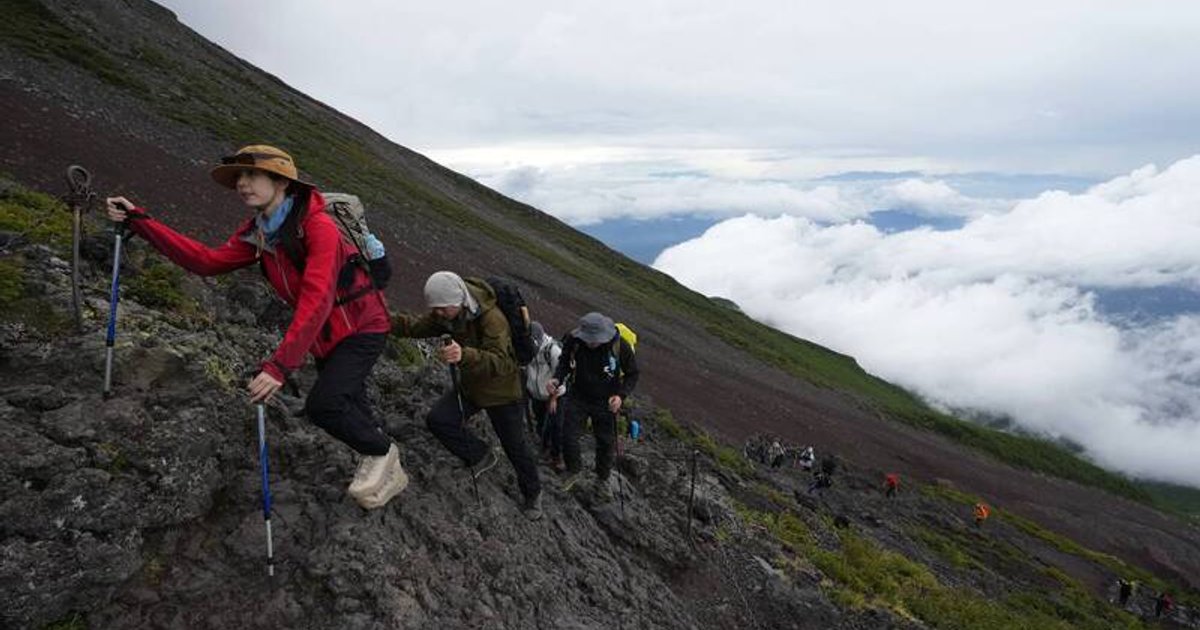
Mount Fuji, jointly managed by Shizuoka and Yamanashi prefectures, typically sees its official climbing season from July to early September. However, the mountain continues to attract unprepared hikers during the off-season, prompting authorities to take stricter measures. Governor Suzuki Yasutomo of Shizuoka Prefecture announced on September 19 that mandatory hiking applications will be required during the closed season, with violators subject to fines of up to 50,000 yen. The new regulation is expected to take effect before autumn next year .
Key Points
- The official climbing season runs from July to early September annually, with specific mountain routes closed during the off-season
- Hikers who submit applications and follow proper safety protocols will not be charged for rescue services if accidents occur
- Those who climb without submitting applications and then require rescue will face fines of up to 50,000 yen (approximately 2,484 HKD)
- The three hiking routes on Shizuoka's side of Mount Fuji closed on September 10, yet incidents during the closed season continue
- Yamanashi Prefecture has already proposed making prefectural disaster helicopter rescue services chargeable
- Both prefectures plan to harmonize their approaches, including mandatory equipment information submission requirements
- Shizuoka Prefecture established a special task force to develop measures preventing mountain accidents
Why It Matters
This policy marks a significant shift in how Japanese authorities manage one of the country's most iconic natural landmarks, moving from voluntary compliance to a regulatory framework with financial penalties. The dual approach of incentivizing proper preparation through fee waivers for compliant hikers while penalizing reckless behaviour reflects a balance between encouraging safety and deterring dangerous climbing practices.
This policy marks a significant shift in how Japanese authorities manage one of the country's most iconic natural landmarks, moving from voluntary compliance to a regulatory framework with financial penalties. The dual approach of incentivizing proper preparation through fee waivers for compliant hikers while penalizing reckless behaviour reflects a balance between encouraging safety and deterring dangerous climbing practices.