Japan Urges Hong Kong, Macau to Lift Fukushima Seafood Import Ban After Three Years
HK01 · 1 SOURCESabout 2 hours ago2 MIN
Summary
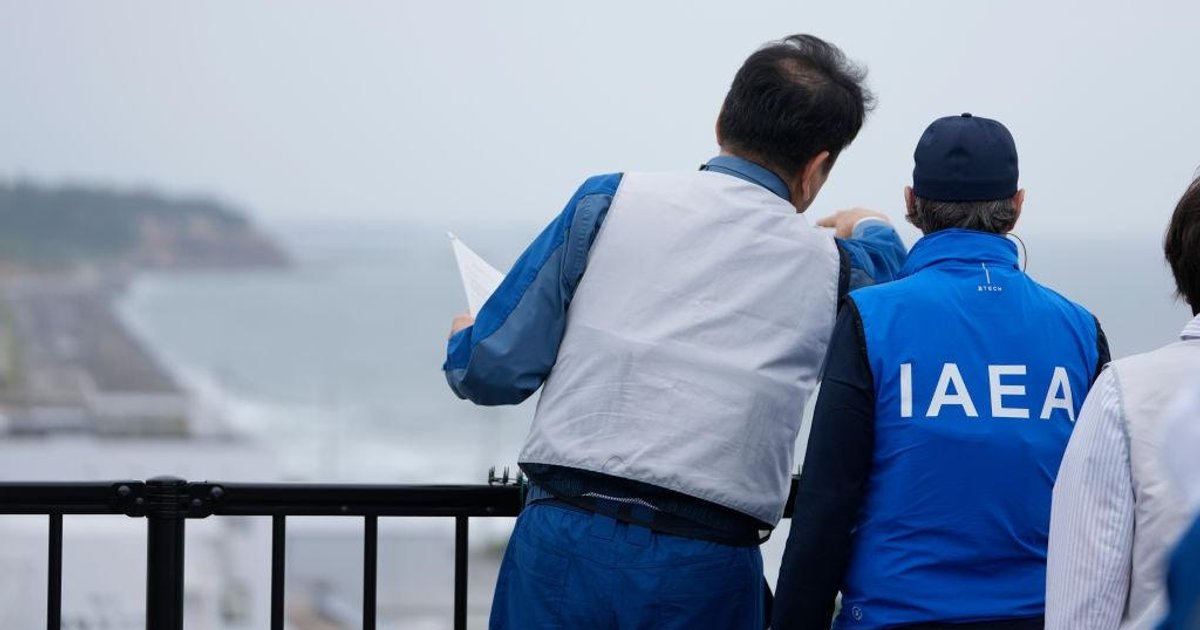
Japan's Consulate General in Hong Kong issued a statement on February 24 on its official website, reiterating that the discharge of treated wastewater from the Fukushima Daiichi Nuclear Power Station has undergone thorough safety review by the International Atomic Energy Agency (IAEA). The consulate is pressing Hong Kong and Macau to revoke their remaining import restrictions on Japanese food products, which have been in place since August 24, 2023, when Japan began its controlled discharge of ALPS-treated water into the ocean. The Japanese side argues these measures are not supported by scientific evidence, especially since mainland China partially resumed imports from 37 Japanese prefectures in June 2025.
Key Points
- Japan's Consulate General in Hong Kong published a statement on February 24 demanding that Hong Kong and Macau immediately lift their remaining import restrictions on Japanese food products .
- The IAEA published a report in April 2025 confirming that monitoring data collected in June 2025 shows the Fukushima wastewater discharge has a "negligible impact on humans and the environment" .
- IAEA Director General Rafael Mariano Grossi stated that the safety of ALPS-treated water discharge has been verified through multiple layers of scrutiny with unprecedented transparency .
- Hong Kong currently bans aquatic products, sea salt, and seaweed from ten Japanese prefectures: Tokyo, Fukushima, Ibaraki, Miyagi, Chiba, Gunma, Tochigi, Niigata, Nagano, and Saitama .
- The Food and Environmental Hygiene Department's food safety center tested samples of unrestricted imported food and found no radiation levels exceeding safety standards .
- Japanese testing of aquatic products found only 6 samples containing approximately 1 becquerel per kilogram of tritium, which is just one-ten-thousandth of the WHO drinking water standard .
Why It Matters
This dispute highlights the divergence in risk assessment approaches among Chinese-speaking regions, with mainland China taking a more permissive stance while Hong Kong and Macau maintain precautionary measures. The outcome could affect thousands of businesses in Hong Kong's food import and restaurant sectors, as well as set a precedent for how regional governments balance scientific assessments against public sentiment in food safety decisions .
This dispute highlights the divergence in risk assessment approaches among Chinese-speaking regions, with mainland China taking a more permissive stance while Hong Kong and Macau maintain precautionary measures. The outcome could affect thousands of businesses in Hong Kong's food import and restaurant sectors, as well as set a precedent for how regional governments balance scientific assessments against public sentiment in food safety decisions .