Record-Breaking Rains Batter Japan's Chiba Prefecture, Killing 1
SingTao · 2 SOURCESabout 2 hours ago2 MIN
Summary
Japan's Chiba Prefecture faced catastrophic flooding on Thursday as record-breaking rainfall overwhelmed infrastructure across the Kanto region. The Japan Meteorological Agency deployed its highest-level "Level 5" heavy rain emergency warning for 19 municipalities including Chiba City, Funabashi, Matsudo, and Kamagaya, urging residents to seek higher ground immediately. The extreme weather, driven by the collision of warm moist airflow and cold air, has claimed at least one life, left over 45,000 households without power, and forced more than 170,000 people to evacuate.
Key Points
- The Japan Meteorological Agency issued a Level 5 heavy rain emergency alert—the highest warning tier—for 19 cities and towns across Chiba Prefecture
- Rainfall rates shattered local records: Chiba City's Chuo Ward recorded 115mm per hour, nearly matching the entire August monthly average; Sakura City saw 97mm per hour; Funabashi logged 62mm per hour
- Yachiyo City and Shitsukanto City experienced extreme precipitation of approximately 120mm and 100mm per hour respectively, the highest ever recorded in those areas
- One fatality was confirmed in Ichikawa City while another victim in Kashiwa City was found in cardiopulmonary arrest after being rescued from a submerged vehicle
- Over 170,000 residents in Ibaraki, Saitama, and Chiba prefectures received evacuation orders from Japan's Fire and Disaster Management Agency; more than 45,000 households lost electricity
Why It Matters
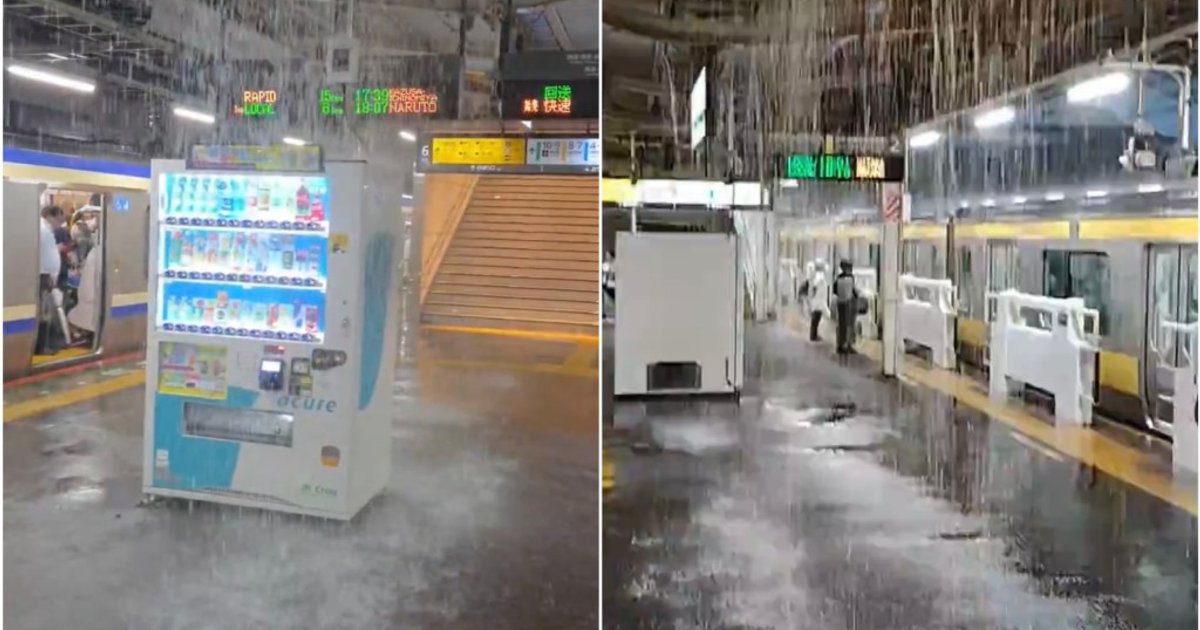
The extreme weather event exposes critical vulnerabilities in urban infrastructure, as major train services including Tokyo Metro's Tozai and Chiyoda lines faced suspensions while public spaces like Chiba Station's platforms transformed into flood zones. As climate patterns intensify rainfall events globally, this disaster serves as a stark reminder that even developed nations with sophisticated early warning systems remain exposed to cascading infrastructure failures during record-breaking precipitation.
The extreme weather event exposes critical vulnerabilities in urban infrastructure, as major train services including Tokyo Metro's Tozai and Chiyoda lines faced suspensions while public spaces like Chiba Station's platforms transformed into flood zones. As climate patterns intensify rainfall events globally, this disaster serves as a stark reminder that even developed nations with sophisticated early warning systems remain exposed to cascading infrastructure failures during record-breaking precipitation.