Nanjing Massacre Survivor Guo Xiulan Dies at 94; Only 20 Registrants Remain
SingTao · 2 SOURCES1 day ago5 MIN
Summary
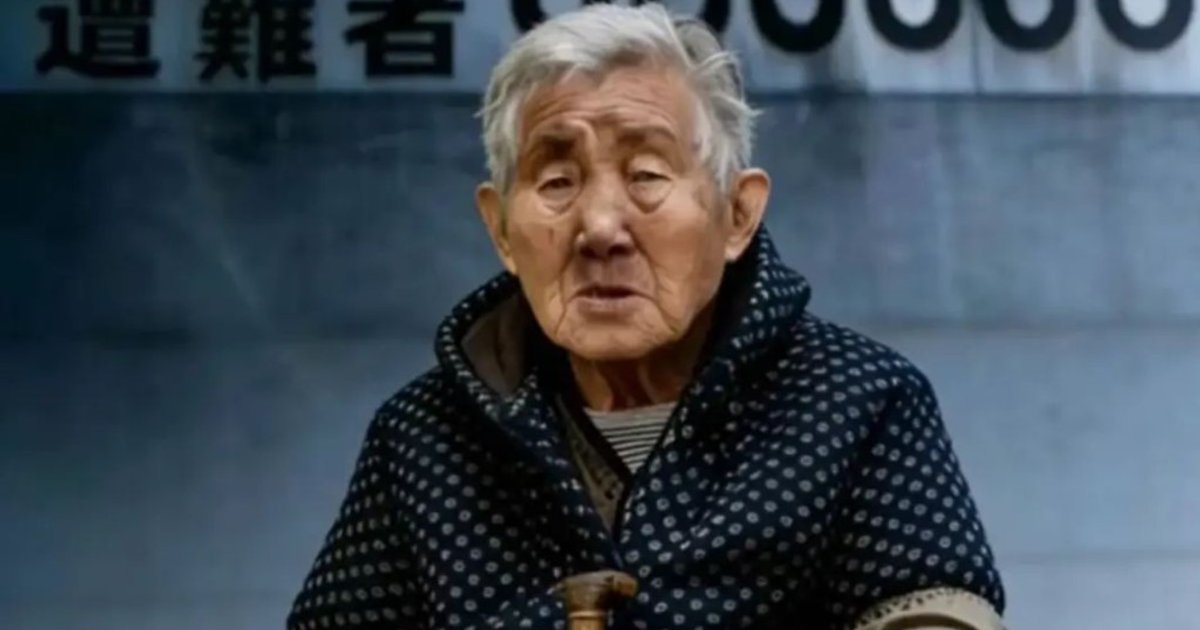
Guo Xiulan (郭秀蘭), a survivor of the 1937 Nanjing Massacre, died on October 7, 2026, at approximately 10:00 a.m. at her home, aged 94 . Born on October 8, 1932, Guo was only five years old when Japanese forces captured Nanjing in December 1937 . According to her recollections, three Japanese soldiers appeared near her neighborhood one morning, prompting residents to flee into an air-raid shelter near Zhanglong Bridge (張龍橋) . When a child's crying gave away their hiding spot, the soldiers sprayed machine-gun fire into the shelter for roughly 30 minutes . When the soldiers departed, Guo discovered that her parents and youngest sister had been killed—her sister died in her mother's arms while her father lay holding her mother . The Memorial Hall for the Victims in the Nanjing Massacre by Japanese Invaders (侵華日軍南京大屠殺遇難同胞紀念館) confirmed her death and reported that only 20 registered survivors remain alive .
Key Points
- Guo Xiulan died at approximately 10:00 a.m. on October 7, 2026, at her home, at age 94
- She was born on October 8, 1932, making her five years old when Japanese forces seized Nanjing in 1937
- Three Japanese soldiers discovered over 100 residents hiding in an air-raid shelter near Zhanglong Bridge after a child's cries revealed their location
- The soldiers fired machine guns into the shelter entrance for about half an hour, killing Guo's parents and youngest sister
- Guo lay motionless on the ground during the attack and survived; only 20 registered survivors are now alive
Why It Matters
Guo's passing underscores the urgency of preserving firsthand testimony from remaining Nanjing Massacre survivors, whose personal accounts serve as irreplaceable historical evidence of wartime atrocities . As the ranks of registered survivors dwindle to just 20 individuals, the responsibility falls on archival institutions to ensure their stories endure for future generations .
Guo's passing underscores the urgency of preserving firsthand testimony from remaining Nanjing Massacre survivors, whose personal accounts serve as irreplaceable historical evidence of wartime atrocities . As the ranks of registered survivors dwindle to just 20 individuals, the responsibility falls on archival institutions to ensure their stories endure for future generations .