Green Methanol Wave Arrives: Can Hong Kong Seize the Initiative?
HK01 · 1 SOURCESabout 2 hours ago2 MIN
Summary
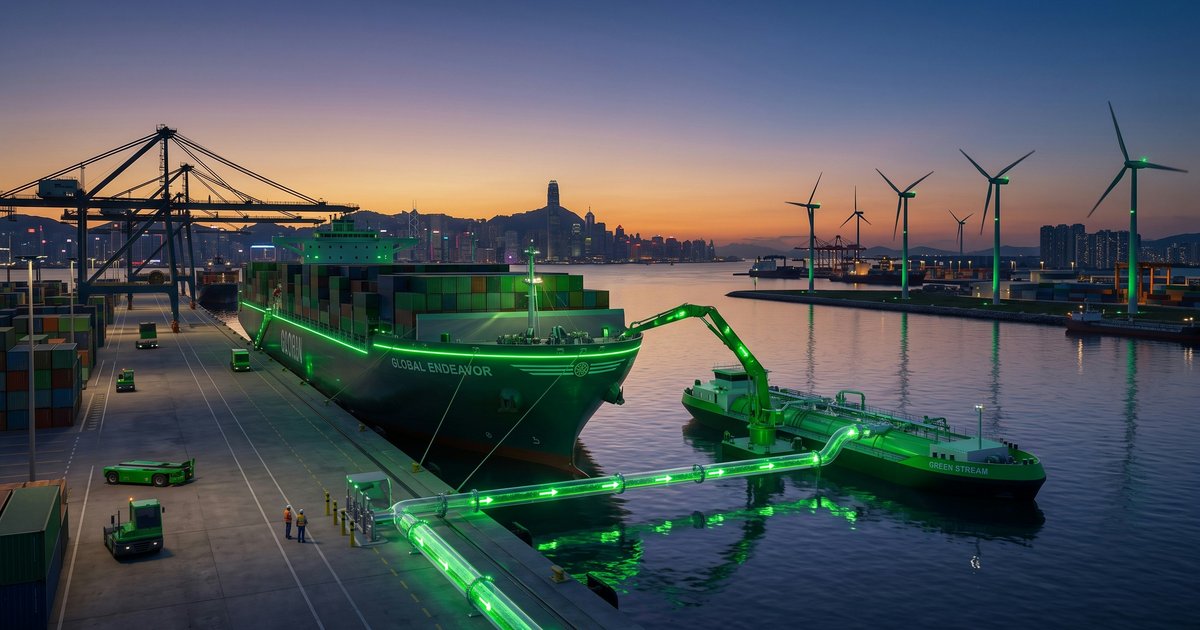
Green methanol is rapidly gaining traction as a viable zero-carbon alternative fuel, with major producing nations and consuming regions racing to establish supply chains. Hong Kong is actively exploring how to position itself within this emerging market by connecting to mainland China's hydrogen production capacity and expanding its clean fuel infrastructure. Industry observers suggest the city possesses unique advantages in financing, trade, and port operations that could make it a pivotal hub for green methanol bunkering and trading in the Asia-Pacific region.
Key Points
- Saudi Arabia's NEOM megaproject represents an $8.5 billion green hydrogen investment, targeting annual production of 219,000 tonnes of green hydrogen for export
- Saudi Arabia aims to boost total hydrogen capacity to 2.9 million tonnes annually by 2030, representing a tenfold increase from current targets
- The Netherlands is developing Amsterdam as a European hydrogen distribution hub with pipeline networks, electrolysis facilities, and underground storage for green methanol
- China operates a demonstration project in Jilin province producing 200,000 tonnes annually of green ammonia and green methanol, with multiple shipping industry green certifications
- Hong Kong has existing LNG and biodiesel refueling capabilities, providing a foundation to add green methanol as a clean fuel option
Why It Matters
Hong Kong's strategic location and established maritime connectivity position it to bridge mainland China's green fuel production with international shipping demand. The city's potential to develop green methanol bunkering facilities could attract dual-fuel vessels, generate new economic activity, and support the International Maritime Organization's 2050 net-zero emissions target for the shipping industry .
Hong Kong's strategic location and established maritime connectivity position it to bridge mainland China's green fuel production with international shipping demand. The city's potential to develop green methanol bunkering facilities could attract dual-fuel vessels, generate new economic activity, and support the International Maritime Organization's 2050 net-zero emissions target for the shipping industry .