Government Reviews Fighting Dog Rules After Fatal Tekwa Attack
Bastillepost · 3 SOURCESabout 1 hour ago2 MIN
Summary
The Environment and Ecology Bureau is conducting a comprehensive review of the definition and list of fighting dogs in Hong Kong after a fatal attack at a pet hotel and dog training center in Tekwa, New Territories. The attack involved a mixed-breed fighting dog that had been registered as a mongrel, highlighting gaps in the current regulatory framework. LegCo member Chan Hoi-yan, chairing the Food Safety and Environmental Hygiene Affairs Committee, called for investigations into potential dog smuggling, illegal breeding, and deliberate misdeclaration of breeds on microchip records.
Key Points
- Fatal attack occurred at a pet hotel and dog training center in Tekwa, New Territories, killing the facility's owner
- The attacking dog was identified as a mixed-breed fighting dog but was registered with a microchip as a mongrel
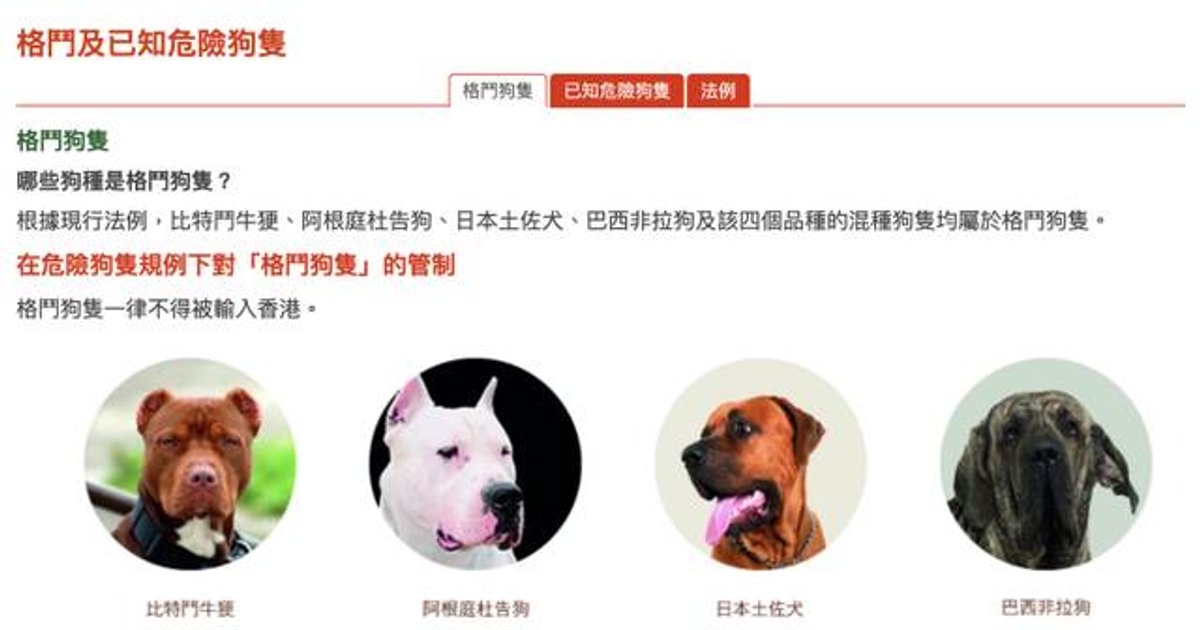
- Current law classifies four specific breeds as fighting dogs, with breeding and import prohibited
- Veterinarian Lai Cheong-sang recommended DNA testing to verify breed when visual identification is uncertain
- Many dogs are advertised online as "same-day delivery to Hong Kong," suggesting possible smuggling networks
- Training facilities should be equipped with defensive tools to separate attacking dogs
Why It Matters
The incident exposes critical loopholes in Hong Kong's animal management regulations, where dangerous dogs can be disguised as common breeds through microchip registration. The review will determine whether existing laws can effectively protect public safety or need to be strengthened with breed-neutral criteria, DNA verification, and enhanced cross-border enforcement against illegal dog trafficking.
The incident exposes critical loopholes in Hong Kong's animal management regulations, where dangerous dogs can be disguised as common breeds through microchip registration. The review will determine whether existing laws can effectively protect public safety or need to be strengthened with breed-neutral criteria, DNA verification, and enhanced cross-border enforcement against illegal dog trafficking.