Iran Supreme Leader Mujtaba Calls on Gulf States to Unite Against 'Real Enemy'
SingTao · 2 SOURCESabout 3 hours ago2 MIN
Summary
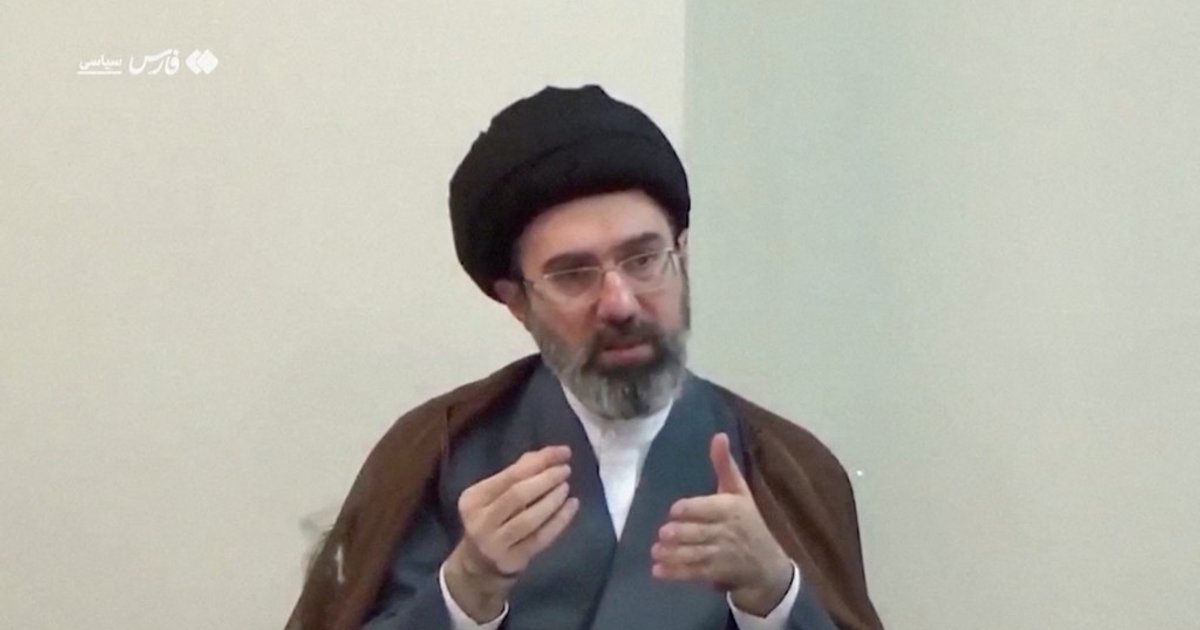
Iran's Supreme Leader Mujtaba Khamenei has issued a powerful call for Muslim unity, urging Gulf Arab nations to set aside internal divisions and confront what he describes as the 'real enemy' threatening the Islamic world. The message, released through his official Telegram channel, arrives during Islamic Unity Week, which commemorates the birth of the Prophet Muhammad. The Iranian leader's appeal comes amid heightened regional tensions following two months of conflict triggered by US-Israel airstrikes that killed his father and former Supreme Leader Ayatollah Ali Khamenei, and left Mujtaba himself injured.
Key Points
- Mujtaba Khamenei posted the unity appeal on his Telegram account during Islamic Unity Week, calling for strengthened cooperation among Muslim nations
- The Iranian leader explicitly identified the United States and Israel as enemies of regional unity, framing them as threats not only to Iran but to all West Asian and North African nations
- Mujtaba directed his message particularly at Gulf Arab leaders, suggesting that unified Muslim nations would be impervious to 'stateless thugs' coveting their lands
- Tehran has carried out attacks against US military facilities in Gulf countries, underscoring the escalating tensions between Iran and its Gulf neighbors
- The current Supreme Leader has remained out of public view for two months since sustaining injuries in the US-Israel airstrikes that killed his father
Why It Matters
The appeal highlights the deepening fault lines in Middle Eastern geopolitics, where decades of sectarian tensions between Iran and Sunni Gulf states now intersect with broader US-Israel confrontation. For Hong Kong readers, this escalation in the Gulf carries direct implications for global energy markets and shipping routes, potentially impacting oil prices and trade costs that affect everyday expenses. The unfolding situation also underscores how regional conflicts can rapidly reshape international alliances, with implications for Hong Kong's diplomatic and economic positioning in the Indo-Pacific.
The appeal highlights the deepening fault lines in Middle Eastern geopolitics, where decades of sectarian tensions between Iran and Sunni Gulf states now intersect with broader US-Israel confrontation. For Hong Kong readers, this escalation in the Gulf carries direct implications for global energy markets and shipping routes, potentially impacting oil prices and trade costs that affect everyday expenses. The unfolding situation also underscores how regional conflicts can rapidly reshape international alliances, with implications for Hong Kong's diplomatic and economic positioning in the Indo-Pacific.