Two-Headed Map Turtle Seized at Lok Ma Chau; Experts Warn Artificially Bred Specimens Face Short Lifespans
HK01 · 1 SOURCES1 day ago2 MIN
Summary
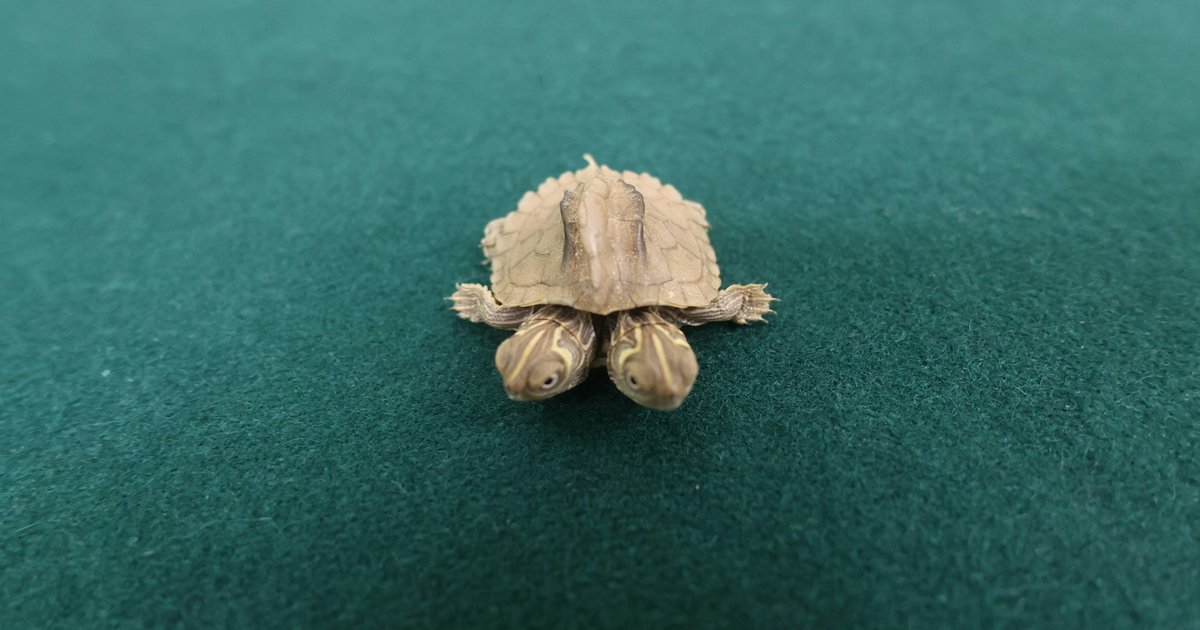
Hong Kong customs authorities at Lok Ma Chau intercepted a two-headed map turtle on Tuesday, according to a report by HK01. The seized specimen, identified as a map turtle (Graptemys species), is classified under CITES Appendix II as an endangered species, requiring proper documentation for ownership. Experts from the Hong Kong Herpetological Foundation warned that the unusual morphology likely resulted from deliberate artificial breeding practices designed to produce rare anomalies for collectors, and that such genetically defective turtles typically survive only a few years compared to the normal 15-20 year lifespan of their healthy counterparts.
Key Points
- The two-headed map turtle was intercepted at Lok Ma Chau, a border control point between Hong Kong and mainland China
- Map turtles are listed under CITES Appendix II, requiring legal source documentation or CITES permits for keeping
- Yang Tsui-shan, Operations Director of the Hong Kong Herpetological Foundation, identified the species and explained its conservation status
- Normal map turtles command market prices ranging from a few hundred to 1,000 Hong Kong dollars, while two-headed specimens can fetch five-figure sums
- Such turtles face difficulty coordinating two heads controlling a single body, resulting in severely compromised survival rates
Why It Matters
The seizure exposes a concerning black market that exploits genetic anomalies for profit, driving unethical breeding practices that prioritize novelty over animal welfare. This case underscores the importance of public awareness to prevent demand for deformed rare varieties that fuels animal cruelty and illegal wildlife trading activities in Hong Kong .
The seizure exposes a concerning black market that exploits genetic anomalies for profit, driving unethical breeding practices that prioritize novelty over animal welfare. This case underscores the importance of public awareness to prevent demand for deformed rare varieties that fuels animal cruelty and illegal wildlife trading activities in Hong Kong .