HOY TV Reality Show Uses AI Disaster Footage, Sparks Misinformation Concerns
SingTao · 1 SOURCESabout 4 hours ago6 MIN
Summary
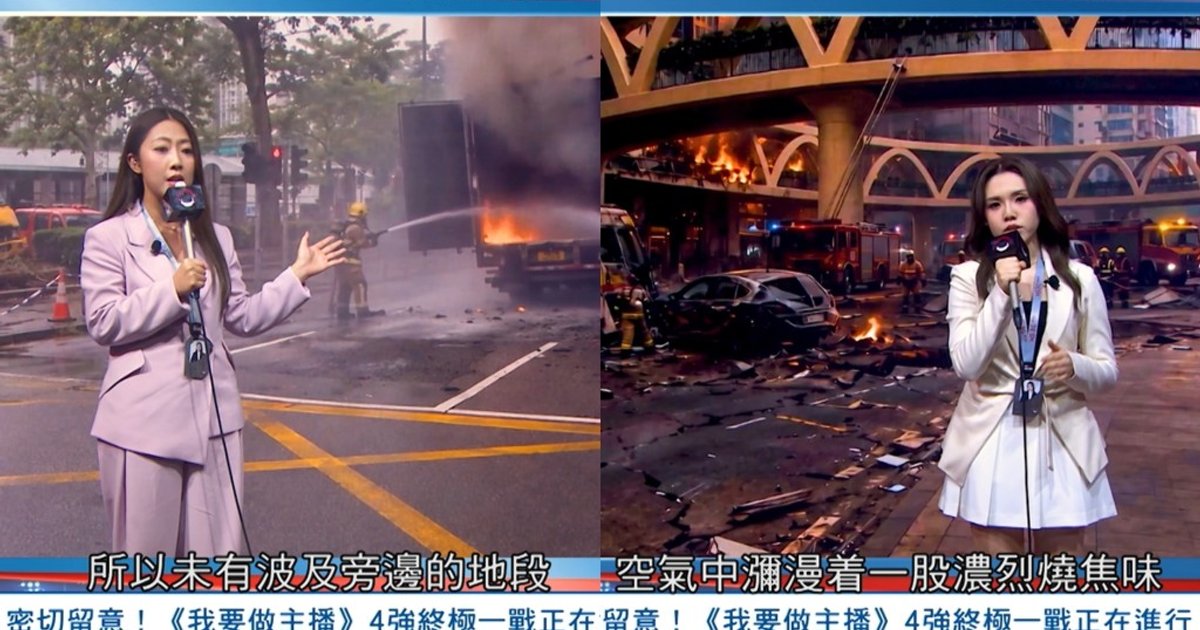
HOY TV's reality competition "I Want to Be an Anchor" (《我要做主播》) has drawn public criticism after using AI-generated disaster simulations, including earthquake and typhoon footage, during its finale broadcast on September 19, 2026. Netizens on Threads raised concerns that elderly viewers might mistake the simulated clips for genuine breaking news. Former news anchor Fong Kin-yee (方健儀), one of the show's hosts, defended the production by citing a lack of specific regulations mandating AI disclosure while noting the show's compliance with government guidelines on digital content.
Key Points
- The show's grand finale featured four finalists—Benedict Leung Yan-ting (梁恩廷), Chan Yan-yan (陳欣茵), Chan Li-bo, and Anson Ip Chi-ching (葉智程)—reporting on simulated earthquakes, super typhoons, and traffic accidents .
- While a scrolling ticker at the bottom stated that AI-generated content was "not real and for competition purposes only," viewers argued the disclaimer was too small and easily missed by elderly audiences .
- Some netizens reported having filed complaints with relevant authorities, warning that elderly viewers with limited internet access might believe the simulated clips were authentic news coverage .
- Fong explained that Hong Kong currently has no specific law requiring television broadcasters to label AI-generated content, though the Office of Digital Policy recommends using watermarks or clear tags .
- The competition concluded with former TVB artist Chan Yan-yan winning the "Chief Anchor" title, securing the top position among the four finalists .
Why It Matters
The controversy highlights the regulatory gap surrounding AI-generated content in Hong Kong's broadcast media, where existing guidelines are merely advisory rather than mandatory. As traditional television remains a primary information source for elderly Hong Kong citizens, the episode underscores the need for clearer industry standards to prevent potential misinformation, particularly during a time when AI-generated material is becoming increasingly indistinguishable from real footage. The incident also raises questions about how reality competition formats should handle simulated journalism without compromising public trust in news delivery .
The controversy highlights the regulatory gap surrounding AI-generated content in Hong Kong's broadcast media, where existing guidelines are merely advisory rather than mandatory. As traditional television remains a primary information source for elderly Hong Kong citizens, the episode underscores the need for clearer industry standards to prevent potential misinformation, particularly during a time when AI-generated material is becoming increasingly indistinguishable from real footage. The incident also raises questions about how reality competition formats should handle simulated journalism without compromising public trust in news delivery .