Social Media Must Step Up to Combat Rising Teen Suicide Crisis, Experts Say
SCMP · 1 SOURCESabout 2 hours ago2 MIN
Summary
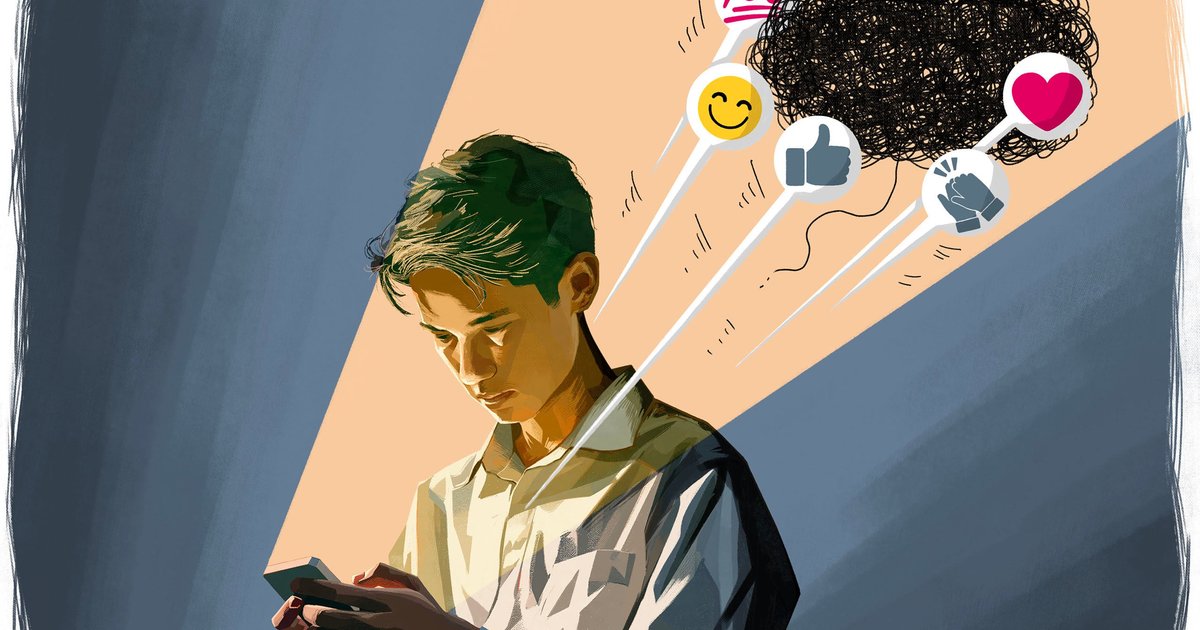
On World Suicide Prevention Day, researchers at the Jockey Club Centre for Suicide Research and Prevention at the University of Hong Kong are urging social media companies to actively participate in combating the youth suicide crisis in Hong Kong. While the city's overall suicide rate showed marginal improvement, falling to 13.0 per 100,000 population last year from 13.8 in 2024, experts warn that adolescent suicide rates remain a serious concern, particularly among young males. The research team has documented how social media platforms have become integral to modern teenage life, with the digital environment emerging as a significant amplifier of psychological distress.
Key Points
- Hong Kong's suicide rate declined to 13.0 per 100,000 in 2025, down from 13.8 in 2024, though experts caution this is no cause for complacency
- Suicide remains a leading cause of death among young people globally, with over 720,000 deaths by suicide recorded worldwide each year
- In the United States, approximately 95 percent of adolescents use social media, with over one-third reporting near-constant use of these platforms
- The research team at the Jockey Club Centre for Suicide Research and Prevention at the University of Hong Kong has spent decades tracking data and advocating for evidence-based solutions
- Home and school problems are identified as major contributors to youth suicide, compounded by the amplifying effect of the digital environment
Why It Matters
The persistent high suicide rate among Hong Kong's youth demands urgent action beyond traditional prevention methods. With social media serving as the primary landscape where teenagers form identities and navigate relationships, platforms hold both the power to exacerbate mental health struggles through irresponsible content and the potential to become powerful allies in disseminating crisis resources and support to vulnerable young users.
The persistent high suicide rate among Hong Kong's youth demands urgent action beyond traditional prevention methods. With social media serving as the primary landscape where teenagers form identities and navigate relationships, platforms hold both the power to exacerbate mental health struggles through irresponsible content and the potential to become powerful allies in disseminating crisis resources and support to vulnerable young users.