Greek Private Island's Swimming Pigs Go Viral, Drawing Thousands of Tourists
Bastillepost · 2 SOURCESabout 2 hours ago3 MIN
Summary
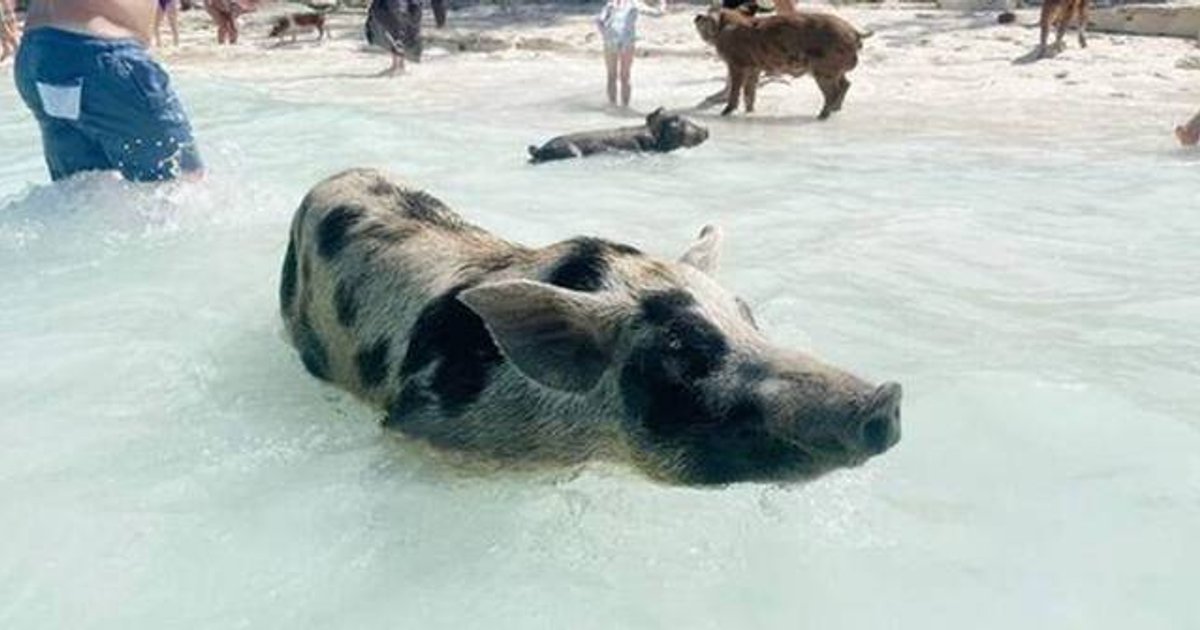
A small private island in the Ionian Sea has transformed from an obscure, uninhabited speck of land into one of Greece's most talked-about tourist destinations, thanks to a colony of wild black pigs that have mastered the art of swimming. Atokos Island, located near Ithaca and spanning approximately 4.5 square kilometres, has seen an explosion of visitor numbers after footage of the pigs taking dips in the azure waters went viral on Instagram and TikTok. The phenomenon has not only reshaped local tourism routes but also sparked debate about wildlife-human interaction in protected natural areas.
Key Points
- Atokos Island, a 4.5-square-kilometre private island in the Ionian Sea near Ithaca, is home to wild black pigs that swim alongside visitors
- The island is part of the EU's Natura 2000 network, recognised for its rich and rare marine ecosystems
- Social media videos have driven thousands of tourists to the island during summer months, with daily boat trips departing from Ithaca, Lefkada, and Kefalonia
- Tour operator Renato Bisha transports visitors to Atokos multiple times daily, noting that 'Piggy Island' is now a top-requested destination
- American tourist Jamie Jackson described the experience as extraordinary, saying she had 'never imagined doing this in her life'
- Italian tattoo artist Francesco Ferrari, 22, observed that the pigs appear fully adapted to their environment and generally do not bite unless provoked
- The origin of the pigs remains a mystery, with theories ranging from sailors abandoning them as food stores to survivors of ancient shipwrecks
- A shepherd visits the island every four days to care for the pigs under an agreement with the current owner
- Experts warn visitors to maintain distance from the wild animals and avoid feeding them human food
- Atokos now competes with Big Major Cay in the Bahamas, the world's most famous 'swimming pig beach'
Why It Matters
The Atokos phenomenon exemplifies how social media can rapidly transform obscure natural sites into major tourist attractions, reshaping regional tourism economies almost overnight. This raises important questions about sustainable tourism management, as increased human-wildlife contact in protected areas like Natura 2000 sites could have unintended ecological consequences. For Hong Kong travellers seeking unique experiences off the beaten path, this trend highlights the growing demand for authentic, nature-based encounters that can be shared virally, while also serving as a reminder that such attractions require careful stewardship to prevent ecological damage.
The Atokos phenomenon exemplifies how social media can rapidly transform obscure natural sites into major tourist attractions, reshaping regional tourism economies almost overnight. This raises important questions about sustainable tourism management, as increased human-wildlife contact in protected areas like Natura 2000 sites could have unintended ecological consequences. For Hong Kong travellers seeking unique experiences off the beaten path, this trend highlights the growing demand for authentic, nature-based encounters that can be shared virally, while also serving as a reminder that such attractions require careful stewardship to prevent ecological damage.