Heze Yuan Dynasty Shipwreck Artifacts Missing, Joint Investigation Launched
Bastillepost · 2 SOURCES1 day ago2 MIN
Summary
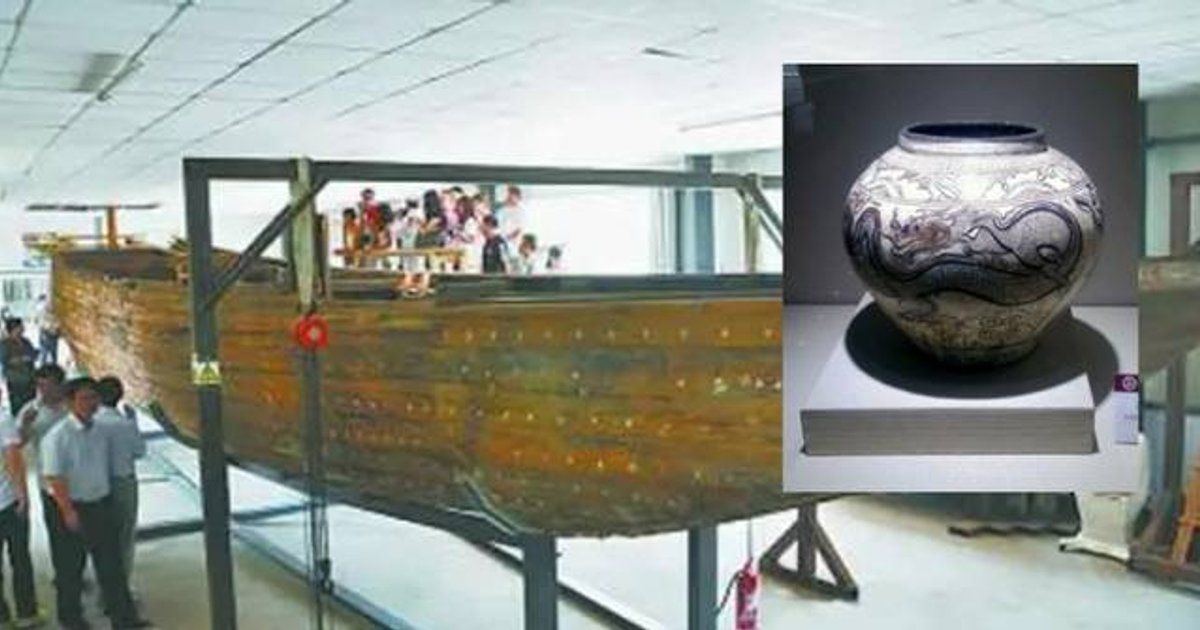
The Shandong Provincial Department of Culture and Tourism (Shandong Provincial Cultural Relics Bureau) issued an official statement on September 13 confirming that Heze city has established a joint investigation team to examine allegations that artifacts from a Yuan dynasty shipwreck excavation may be missing from the local museum . The probe was initiated after a local BBQ restaurant owner filed a real-name report concerning a missing Yuan dynasty blue-and-white porcelain cup . The investigation has since expanded, with the complainant reporting that multiple government departments have conducted intensive inspections of his business, forcing a temporary closure .
Key Points
- On September 17, 2010, Heze city authorities received notification from the 110 command center that a construction site had uncovered cultural relics
- Emergency archaeological excavations were conducted by the Heze Cultural Relics Management Office, with artifacts including Yuan blue-and-white porcelain transferred to Heze Museum on September 19, 2010
- From October 2010 to January 2011, the Shandong Provincial Institute of Cultural Relics and Archaeology jointly conducted further excavations with local authorities
- The BBQ restaurant owner filed a police report more than two months ago but has not received any notification about whether a case has been opened
- Initial examination of online videos and images suggests the allegedly missing artifacts are blue-and-white porcelain fragments, though verification is ongoing
Why It Matters
This case underscores broader concerns about the preservation and management of cultural heritage artifacts in China, particularly regarding accountability in archaeological excavation and museum storage procedures . The incident highlights the tension between public whistleblowing and potential retaliation, as the restaurant owner's business operations have been significantly disrupted following his report . The outcome of this investigation could set a precedent for how similar allegations are handled and strengthen oversight mechanisms for cultural relic protection nationwide .
This case underscores broader concerns about the preservation and management of cultural heritage artifacts in China, particularly regarding accountability in archaeological excavation and museum storage procedures . The incident highlights the tension between public whistleblowing and potential retaliation, as the restaurant owner's business operations have been significantly disrupted following his report . The outcome of this investigation could set a precedent for how similar allegations are handled and strengthen oversight mechanisms for cultural relic protection nationwide .