Wan Chai Restaurant's Hainanese Chicken Rice Tests Positive for Salmonella
On.cc · 3 SOURCESabout 2 hours ago5 MIN
Summary
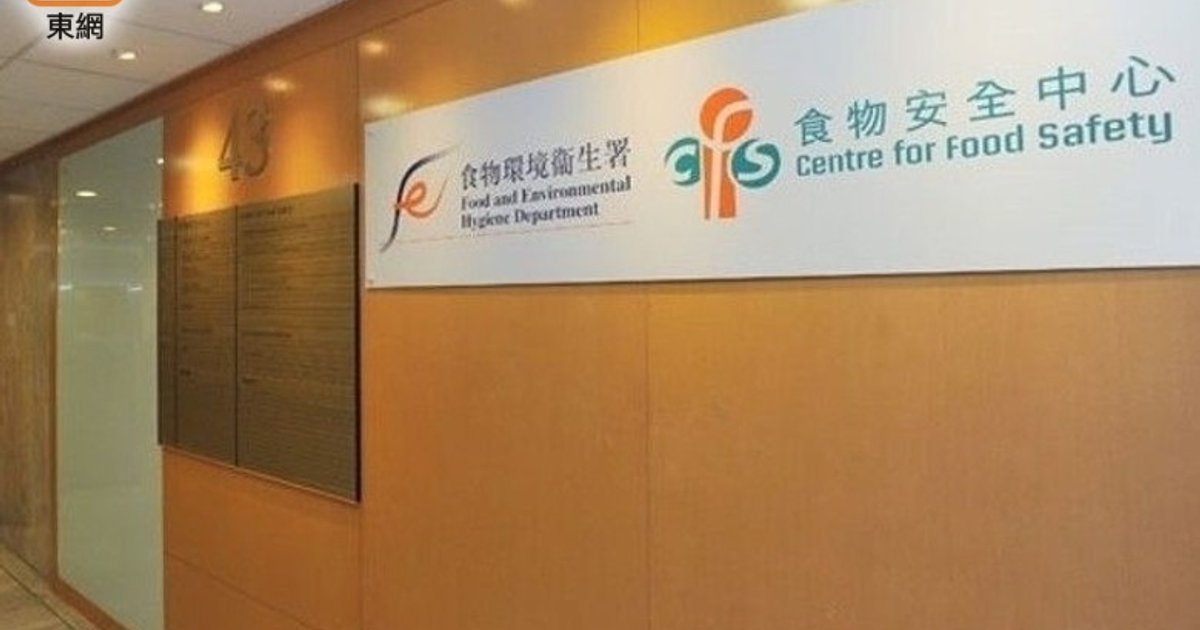
A Hainanese chicken rice sample from a Wan Chai restaurant has been found to contain Salmonella, triggering immediate action from the Centre for Food Safety. The restaurant has been ordered to stop selling and discard the affected product, and must improve its cooking procedures and conduct thorough cleaning. Salmonella infection can cause fever and gastrointestinal symptoms, with potentially severe effects on infants, elderly people, and those with weakened immune systems.
Key Points
- The Centre for Food Safety detected Salmonella in a 25-gram Hainanese chicken rice sample from a Wan Chai restaurant
- The affected establishment is Keung Kee Restaurant (強記飯店) located at the ground floor of Shui Fung Building on Tin Lok Lane
- The sample exceeded the Food Microbiological Guidelines limit, which requires zero Salmonella detection in 25g of ready-to-eat food
- The restaurant has been ordered to cease selling and dispose of the affected food, and must improve cooking processes and conduct thorough cleaning and disinfection
- Centre for Food Safety officers have conducted on-site investigations and provided food safety and hygiene education to the restaurant's management and staff
Why It Matters
The incident highlights the ongoing food safety challenges facing Hong Kong's vibrant dining scene. Under the Public Health and Municipal Services Ordinance, any food sold in Hong Kong must be fit for human consumption, with offenders facing a maximum penalty of HK$50,000 and six months' imprisonment upon conviction . This case serves as a reminder of the Centre for Food Safety's enforcement role and the potential health risks that Salmonella poses to vulnerable populations including young children, seniors, and immunocompromised individuals.
The incident highlights the ongoing food safety challenges facing Hong Kong's vibrant dining scene. Under the Public Health and Municipal Services Ordinance, any food sold in Hong Kong must be fit for human consumption, with offenders facing a maximum penalty of HK$50,000 and six months' imprisonment upon conviction . This case serves as a reminder of the Centre for Food Safety's enforcement role and the potential health risks that Salmonella poses to vulnerable populations including young children, seniors, and immunocompromised individuals.