Government Pushes Unified Tobacco Packaging to Cut Smoking Rates
Crhk · 1 SOURCESabout 2 hours ago2 MIN
Summary
The Health Bureau presented its phased approach to implementing "Ten Tobacco Control Measures" at a Legislative Council subcommittee meeting, including standardized packaging for traditional smoking products and a duty-paid labeling scheme . Officials plan to update 12 cigarette pack warning images that have been in use for eight years, with new graphics showing health risks and quitline information . The government aims to achieve a "Smoke-free Hong Kong," building on its success in reducing the smoking rate to 8.5 percent last year .
Key Points
- At a Legislative Council subcommittee meeting, multiple lawmakers questioned the specific effectiveness data for unified packaging requirements
- Chan Hoi-yan noted that 85 percent of cigarette pack surfaces already display warning images showing conditions like gangrene and lung damage, questioning whether further measures are excessive
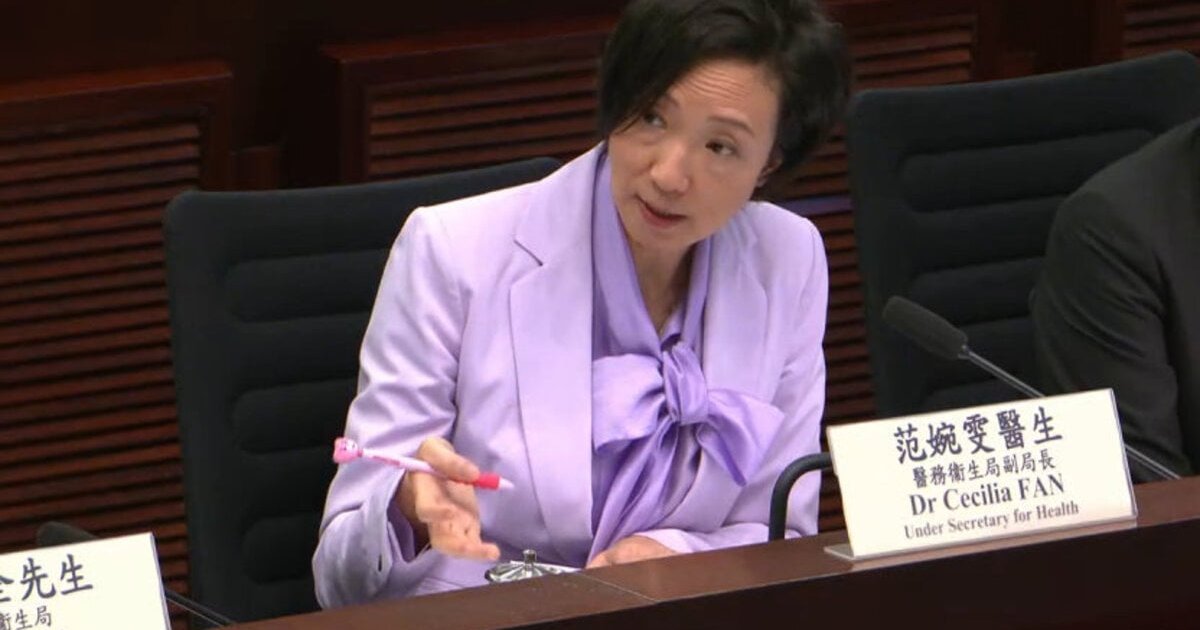
- Under Secretary for Health Fan Yuen-man stated that research worldwide confirms standardized packaging alone can reduce smoking rates
- Tobacco Control Office Director Lam Man-chung cited Australia: 34 months after implementation, smoking rate fell 0.5 percentage points, equivalent to 110,000 fewer smokers
- Australian data also showed quit attempts increased from 20.2 to 26.6 percent and quitline calls surged 78 percent after unified packaging took effect
Why It Matters
Hong Kong's smoking rate reduction to 8.5 percent represents significant public health progress, and the proposed unified packaging policy offers a proven tool to continue that trajectory . However, concerns about illicit tobacco trade and tax revenue losses, as raised by Liberal Party member Shao Jia-hui, highlight the delicate balance between public health objectives and fiscal considerations that policymakers must navigate .
Hong Kong's smoking rate reduction to 8.5 percent represents significant public health progress, and the proposed unified packaging policy offers a proven tool to continue that trajectory . However, concerns about illicit tobacco trade and tax revenue losses, as raised by Liberal Party member Shao Jia-hui, highlight the delicate balance between public health objectives and fiscal considerations that policymakers must navigate .