Parcel obstruction complaints surge as lawmakers seek crackdown
HK01 · 2 SOURCESabout 12 hours ago5 MIN
Summary
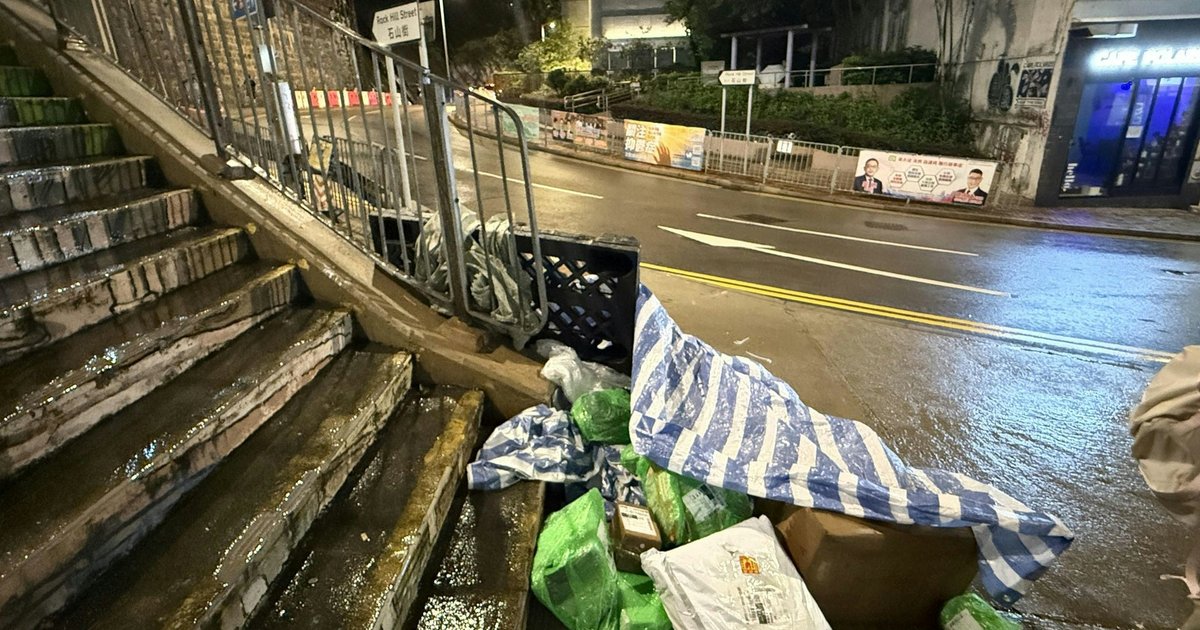
Complaints about e-commerce, courier and consolidated-shipping parcels occupying public areas climbed to 894 across Hong Kong in the first 10 months of 2026, up from 324 in 2025 and 126 in 2024. The Food and Environmental Hygiene Department also sharply increased enforcement, issuing 534 removal notices by October 31 this year, compared with 156 last year and 18 in 2024. Environment and Ecology Secretary Tse Chin-wan (謝展寰) said the government has asked the department to move beyond warnings and use fixed-penalty tickets, while lawmakers called for priority enforcement at black spots and suggested using cameras to monitor problem areas
Key Points
- By October 31, the Food and Environmental Hygiene Department had received 894 complaints citywide about parcels occupying public places during delivery, up from 324 in 2025 and 126 in 2024
- Kwai Tsing and Tsuen Wan recorded the highest complaint totals this year, with 126 cases each involving e-commerce, courier or consolidated-shipping deliveries blocking public space
- The department issued 18 removal notices in 2024, 156 in 2025 and 534 by October 31, 2026 over obstruction to street cleansing by logistics operators.
- Seven prosecutions were launched this year for ignored notices or serious cases; six ended in convictions with fines ranging from HK$1,000 to HK$1,600, and one case remains before the court.
- The government has met logistics operators and online shopping platforms, promoted market stalls and spare market space for pickup points, and said 16 public markets now provide 53 eligible stalls, 38 of them rented out.
Why It Matters
For pedestrians and nearby shops, parcel piles on pavements are no longer an occasional nuisance but an increasingly visible street-management and safety issue, especially where operators repeatedly use public space as informal sorting areas. The government is now shifting from mainly asking operators to clear goods to a more enforcement-led approach, while also trying to expand legal pickup facilities in public markets