Hong Kong Diners Furious as Cha Chaan Tengs Ditch White Rice Noodles for Chewy Transparent Varieties
SingTao · 1 SOURCESabout 2 hours ago2 MIN
Summary
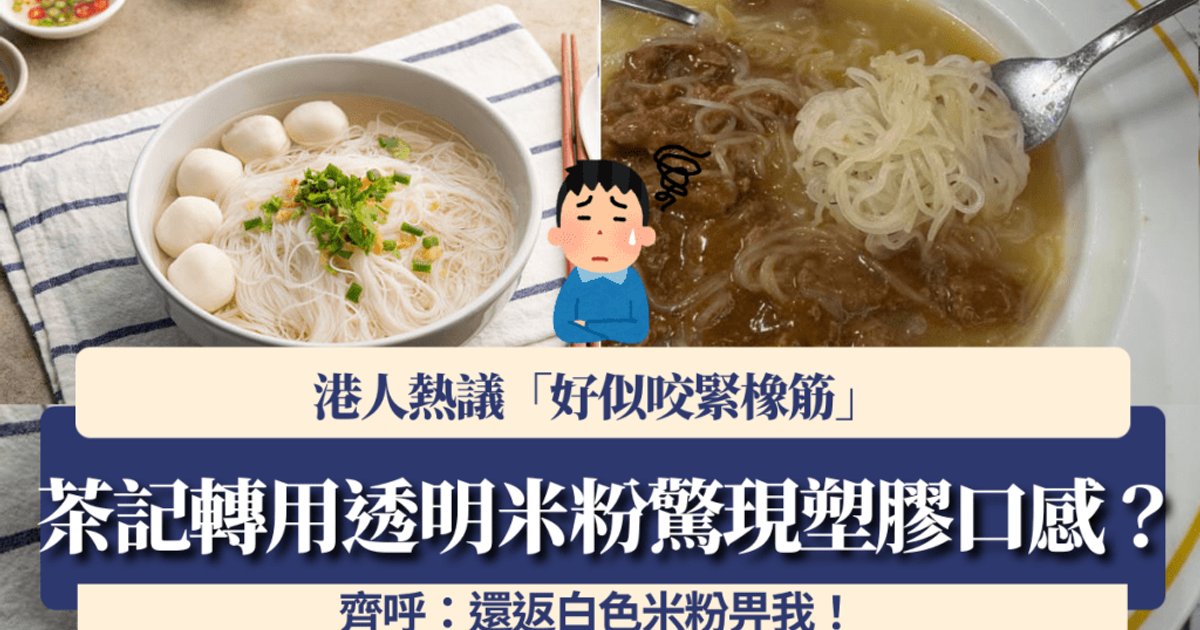
Hong Kong's iconic cha chaan teng culture is facing a quiet revolution as restaurants increasingly abandon traditional white rice noodles in favor of cheaper transparent alternatives. Diners across the city have taken to social media to express their disappointment, describing the new noodles as having a texture reminiscent of rubber bands or even plastic. The controversy has sparked widespread discussion about food quality standards in Hong Kong's beloved budget dining establishments.
Key Points
- Social media posts have highlighted a growing trend of cha chaan teng restaurants replacing white rice noodles with transparent varieties, sparking customer complaints
- The transparent noodles contain potato starch or tapioca flour mixed with rice flour, unlike traditional pure rice noodles
- Netizens consistently describe the new noodles as tasting like rubber bands, with one commenter stating they feel "completely like plastic"
- Some customers report digestive discomfort after eating the transparent noodles and have switched to alternatives like macaroni
- A "Hong Kong Rice Noodle Map" has been compiled by netizens to help diners identify which restaurants still serve traditional white noodles
Why It Matters
The rice noodle debate reflects deeper concerns about cost-cutting in Hong Kong's cha chaan teng industry, which has long been considered a cornerstone of affordable local dining. As more establishments prioritize profit over traditional food quality, diners are pushing back by memorizing and avoiding restaurants that serve the controversial transparent variety. This grassroots response highlights how passionate Hong Kong people remain about their culinary heritage, even as economic pressures reshape the city's food landscape.
The rice noodle debate reflects deeper concerns about cost-cutting in Hong Kong's cha chaan teng industry, which has long been considered a cornerstone of affordable local dining. As more establishments prioritize profit over traditional food quality, diners are pushing back by memorizing and avoiding restaurants that serve the controversial transparent variety. This grassroots response highlights how passionate Hong Kong people remain about their culinary heritage, even as economic pressures reshape the city's food landscape.