Japan PM Defends Response to US Sanctions on ICC President Akene
AM730 · 2 SOURCESabout 2 hours ago2 MIN
Summary
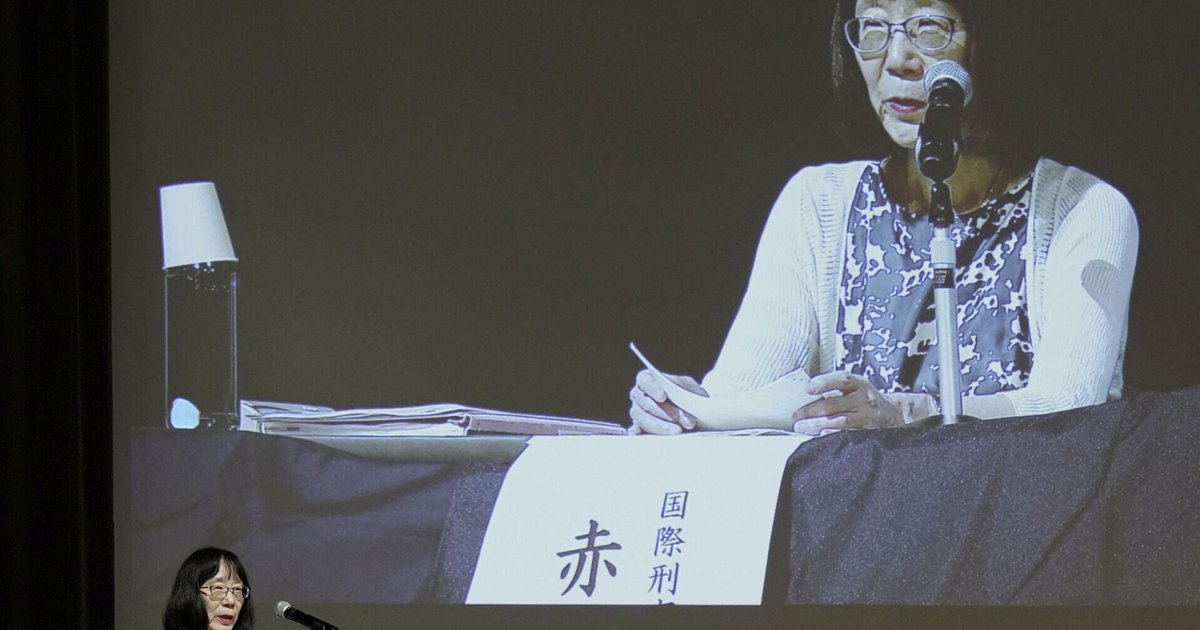
Japanese Prime Minister Sanae Takaichi has strengthened her language regarding US sanctions on International Criminal Court President Tomoko Akene, stating the actions are incompatible with Japan's rule-of-law stance. Akene held a video press conference in The Hague on April 26 denouncing the sanctions as unreasonable, revealing her credit cards no longer work. Japan, as the ICC's largest financial contributor, is facing pressure from both ruling and opposition parties to take a stronger stance against the US .
Key Points
- ICC President Akene held video press conference in The Hague, calling US sanctions unreasonable while reaffirming her duty to protect the court
- Akene revealed her credit cards are no longer functional and expressed initial surprise despite anticipating she could be a target
- Over 75,000 people signed a petition supporting Akene, whom she found encouraging
- PM Takaichi denied her government's response was weak, stating Japan communicated at all levels urging the US not to sanction Akene until the last moment
- A cross-party parliamentary group expressed disappointment with the government's "regrettable" response, urging clear protest to the US and demanding sanctions be lifted
Why It Matters
The incident exposes fault lines within Japan's political establishment over how to balance the US alliance with commitments to international rule of law. Some senior LDP members have privately admitted being "afraid of the US and President Trump," revealing deep-seated concerns about challenging Washington even over legitimate international obligations . The case may discourage future Japanese nationals from seeking top positions in international organizations if Tokyo will not defend them when targeted by allied nations .
The incident exposes fault lines within Japan's political establishment over how to balance the US alliance with commitments to international rule of law. Some senior LDP members have privately admitted being "afraid of the US and President Trump," revealing deep-seated concerns about challenging Washington even over legitimate international obligations . The case may discourage future Japanese nationals from seeking top positions in international organizations if Tokyo will not defend them when targeted by allied nations .