Former Japanese FM Leads Business Delegation to Beijing for Four-Day Visit
Crhk · 2 SOURCES1 day ago6 MIN
Summary
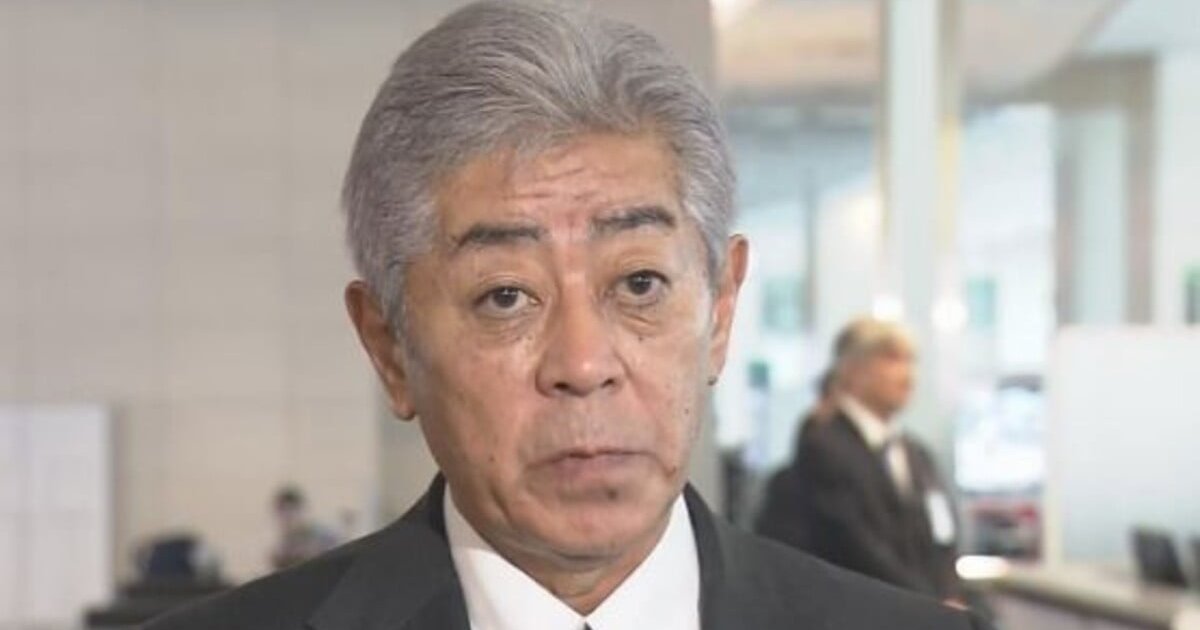
Former Japanese foreign minister Tsuyoshi Iwoya, who also serves as president of the International Trade Promotion Association, arrived in Beijing on Sunday to lead a four-day business delegation visit . At Haneda Airport before departure, Iwoya stated that he hopes to have frank exchanges with the Chinese side on economic and trade issues, with the aim of improving current Japan-China relations . The visit takes place against a backdrop of elevated tensions since Japanese Prime Minister Sanae Takaichi made remarks about "Taiwan contingencies" in parliament last November, prompting China to strengthen export controls against Japan . Japanese political and business circles have been actively organizing delegations to visit China in an effort to mend the relationship, with an eight-member cross-party delegation of young Diet members visiting just two weeks ago .
Key Points
- Former Japanese foreign minister Tsuyoshi Iwoya (岩屋毅) is heading a business delegation to Beijing from Sunday for a four-day visit
- Iwoya, who is also president of the International Trade Promotion Association, is expected to meet with Chinese Ministry of Commerce officials
- He said at Haneda Airport he hopes to engage in frank exchanges on economic and trade issues to improve Japan-China relations
- Tensions escalated after Prime Minister Sanae Takaichi's "Taiwan contingencies" speech in parliament last November, leading China to tighten export controls
- A cross-party "Japan-China Friendship Diet Members' Alliance" comprising eight young legislators visited China two weeks ago, meeting with Chinese Assistant Foreign Minister Liu Bin
Why It Matters
The visit by Iwoya's delegation represents a significant diplomatic effort to rebuild economic ties between Asia's two largest economies at a time when trade relationships remain strained. For Hong Kong, which serves as a key financial and trade intermediary in the region, any improvement in Japan-China relations could have ripple effects on regional trade flows and business confidence. The outcome of these negotiations may also influence how other regional economies position themselves in navigating the increasingly complex geopolitical landscape between Tokyo and Beijing .