Wang Yi starts South Korea visit before Indonesia talks
On.cc · 2 SOURCESabout 3 hours ago2 MIN
Summary
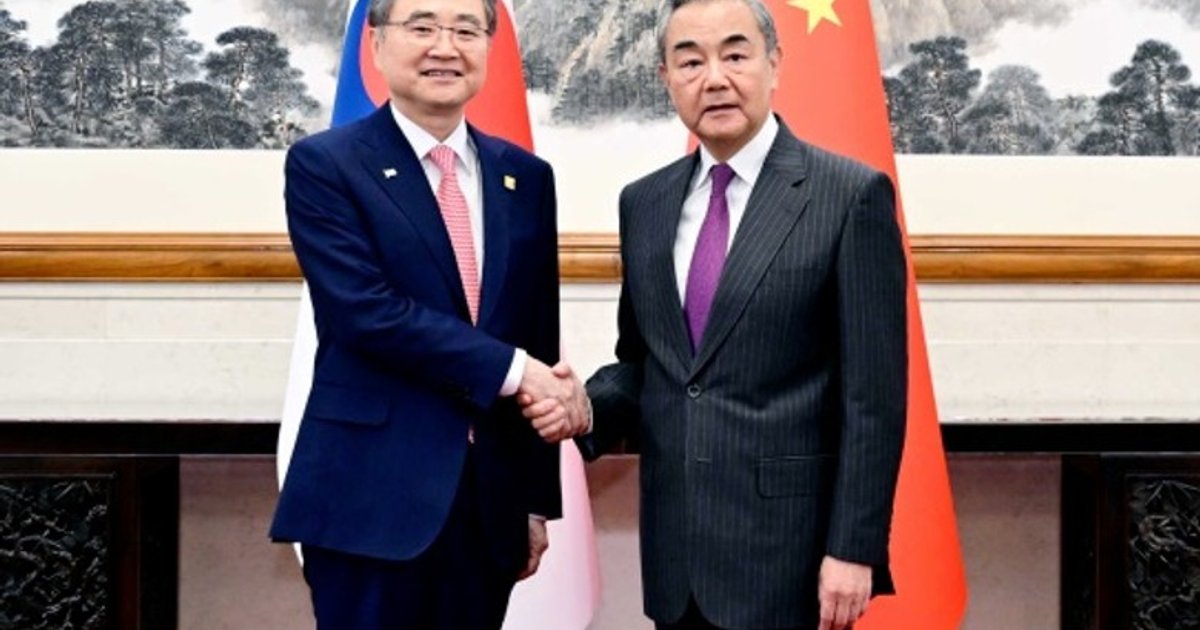
Chinese Foreign Minister Wang Yi began a two-country Asian trip on Wednesday, with a two-day stop in Seoul before continuing to Indonesia through Saturday. In South Korea, he is meeting Foreign Minister Cho Hyun and is expected to discuss bilateral ties, the Korean Peninsula, and regional and international issues, with President Lee Jae-myung scheduled to meet him on Thursday. In Indonesia, Wang will chair the first meeting of the China-Indonesia comprehensive strategic dialogue mechanism and attend the second ministerial-level China-Indonesia foreign and defence ministers' “2+2” dialogue with Defence Minister Dong Jun. During his Seoul stop, Wang also said Washington should change its long-standing hostile policy toward North Korea when asked about the prospects for a US-North Korea summit
Key Points
- China’s foreign ministry said Wang will visit South Korea and Indonesia from Wednesday to Saturday at the invitation of Foreign Minister Cho Hyun and Indonesian Foreign Minister Sugiono
- South Korea earlier announced Wang’s formal two-day visit would review gains from the full restoration of bilateral ties and prepare for the next stage of relations
- Wang arrived in Seoul on Wednesday afternoon and held face-to-face talks with Cho, their first in-person meeting since talks in Beijing in September last year.
- The two sides exchanged views on bilateral relations, the Korean Peninsula situation, and regional and international hotspot issues during the Seoul meeting.
- In Indonesia, Wang will host the first China-Indonesia comprehensive strategic dialogue and join Dong Jun at the second ministerial “2+2” foreign and defence dialogue
Why It Matters
For Hong Kong readers, the trip offers a gauge of how Beijing is trying to stabilise ties with a key Northeast Asian neighbour while deepening coordination with a major Southeast Asian partner. The comments on the Korean Peninsula also show that regional security issues remain closely tied to wider China-US dynamics, which can affect the broader Asian diplomatic climate watched by Hong Kong businesses and policymakers