PolyU, Xinjiang Corps and Shihezi University forge pact
Bastillepost · 1 SOURCES1 day ago2 MIN
Summary
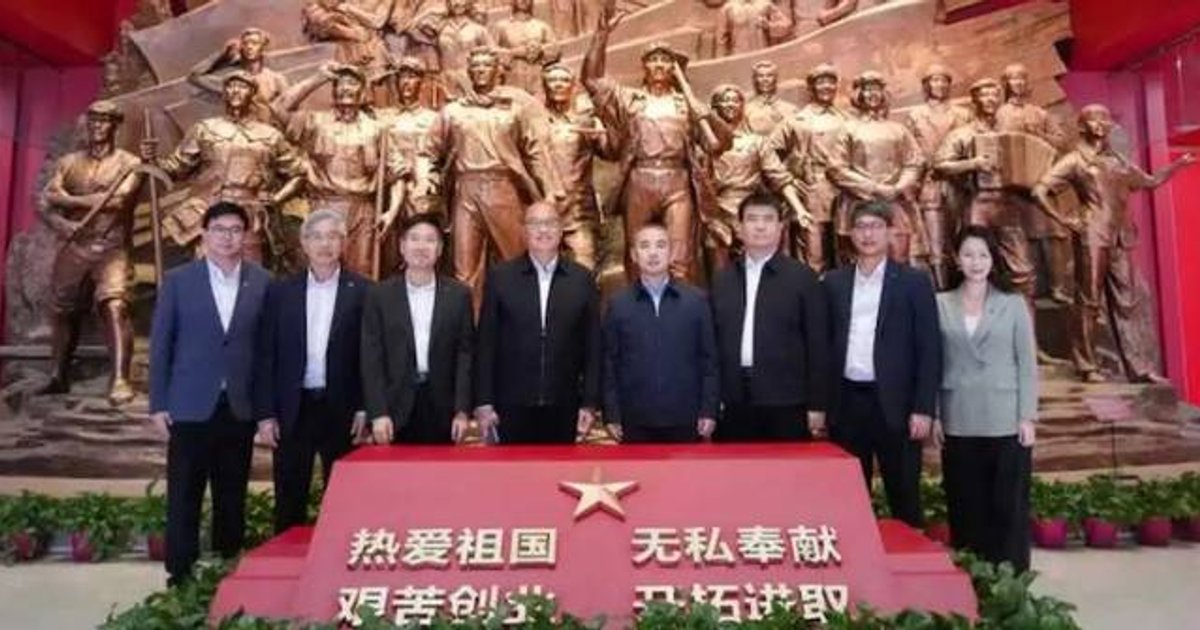
Hong Kong Polytechnic University (PolyU) said a delegation led by Council Chairman Lam Tai-fai visited Xinjiang for a two-day study and inspection trip on October 4 and 5, where it held talks with officials from the Xinjiang Production and Construction Corps, the Eighth Division Shihezi City and Shihezi University. During the trip, PolyU, Shihezi University and the division-city authorities signed a framework agreement on integrated development in education, technology and talent, as well as cultural exchange. The parties said they would pursue joint talent training, research collaboration, teacher and student exchanges, and industrial cooperation, while also planning a PolyU patriotic education base and a PolyU Chinese Culture Festival–Xinjiang Cultural Week. The delegation also visited industrial sites, a military reclamation museum and Shihezi University facilities to examine local industrial upgrading and red education resources
Key Points
- The delegation was led by PolyU Council Chairman Lam Tai-fai and included senior management such as Zhao Ruheng, Li Xiangdong, Man Hau-chung, Ng Chi-lik and Chan Chui-fong
- On October 4 and 5, the group met Yang Hongbin, E Hongda, Yang Guoyong, Sun Zhimin, Xu Shandong and Li Zhaomin in Xinjiang
- The three parties signed the “Framework Agreement on Integrated Development of Education, Technology and Talent and Cultural Exchange” at Shihezi University on October 5
- Site visits covered the Shihezi Economic and Technological Development Zone exhibition hall, Xinjiang Tianke Heda Blu-ray Semiconductor and Tianyu Air (Xinjiang) Aviation Group
- Planned cooperation includes teacher exchanges, student exchanges, research projects, enterprise visits, academic forums, and a PolyU patriotic education base
Why It Matters
For Hong Kong readers, the agreement shows how a publicly funded university is tying its teaching, research and cultural programmes more closely to national development strategies and mainland regional partnerships. It also points to more cross-border pathways for Hong Kong-based researchers, students and international faculty through exchanges, joint projects and industry links connected to Xinjiang