US Launches Sweeping Iran Sanctions as Iranian Rial Hits Record Low
SingTao · 3 SOURCESabout 2 hours ago2 MIN
Summary
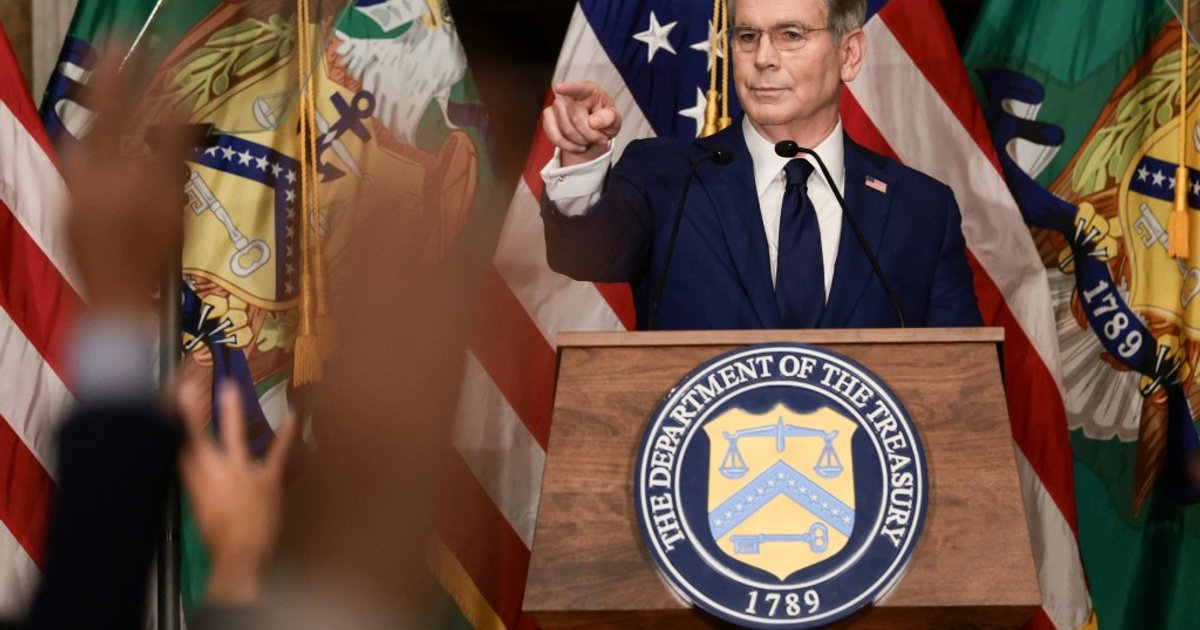
The United States launched what Treasury Secretary Scott Bessent called an "Economic D-Day" against Iran on Monday, announcing the most aggressive financial offensive ever directed at a single target. The new round of secondary sanctions targets nations and companies maintaining commercial ties with Tehran, threatening exclusion from the dollar system. As Iran's currency crashed to historic lows amid mounting economic pressure, Tehran threatened to halt all oil exports through the Strait of Hormuz and blacklisted dozens of international tanker vessels.
Key Points
- US Treasury expanded secondary sanctions to cover digital assets, technology, gold, aviation, and shipping sectors, adding approximately 60 entities and vessels to its blacklist immediately
- President Trump is personally contacting world leaders to demand they sever all economic ties with Iran, with Bessent warning "America has limited patience" for laggards
- Iran's rial crashed to 2,000,000 per dollar on March 24, its lowest level ever recorded, with food inflation exceeding 100% and rice prices up 60%
- Iran's newly established Persian Gulf Straits Administration blacklisted 45-46 tankers from 17 countries for alleged transit violations, including vessels from Saudi Arabia's Bahri and UAE's ADNOC L&S
- China rejected the US pressure campaign, with Foreign Minister Wang Yi calling for dialogue while warning that "sanctions and pressure won't solve problems"
Why It Matters
This confrontation threatens to disrupt global energy markets, as the Strait of Hormuz handles roughly 20% of the world's oil shipments. The dual pressure campaign—financial isolation from Washington and threats to maritime commerce from Tehran—creates a dangerous escalation cycle that could drag regional allies and trading partners into direct conflict. For Hong Kong, which relies on Middle East energy supplies and maintains significant trade links with regional partners, stability in the Gulf directly affects oil prices and shipping insurance costs.
This confrontation threatens to disrupt global energy markets, as the Strait of Hormuz handles roughly 20% of the world's oil shipments. The dual pressure campaign—financial isolation from Washington and threats to maritime commerce from Tehran—creates a dangerous escalation cycle that could drag regional allies and trading partners into direct conflict. For Hong Kong, which relies on Middle East energy supplies and maintains significant trade links with regional partners, stability in the Gulf directly affects oil prices and shipping insurance costs.