Streaming music leaves some dementia patients behind
AM730 · 1 SOURCESabout 2 hours ago2 MIN
Summary
A shift from physical and simple playback devices to touch-based streaming services is making music less accessible for many people with dementia, even though familiar songs can help ease agitation, anxiety and emotional distress. On Tuesday, the UK House of Lords hosted an event on the barriers dementia patients face when using music services, as charities, researchers and the music industry push for easier access to personalised listening.
Key Points
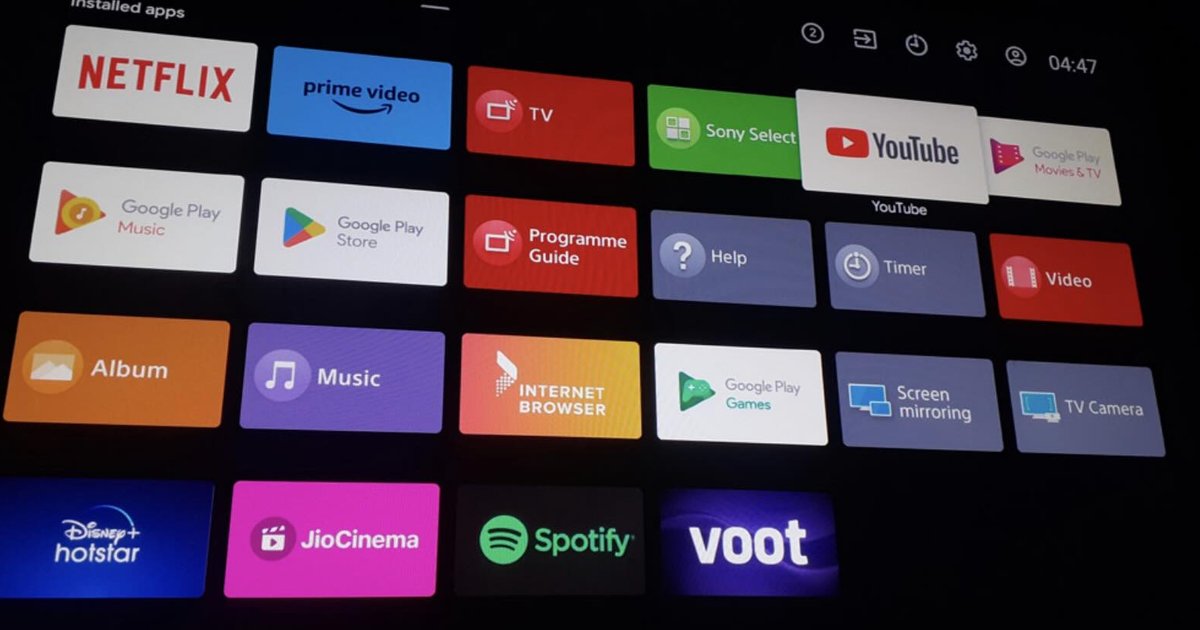
- The report says Spotify, Apple Music and YouTube have made millions of songs instantly available by smartphone, but the same digital shift can create obstacles for dementia patients.
- Advocacy groups said familiar music can reduce agitation and unease, revive memories, support a sense of self and strengthen communication with family members.
- Research cited by Music for Dementia and Age UK found only 30% of older carers surveyed could use streaming music services together with a relative with dementia.
- Among internet users aged 65 or above in Britain, 60% had never listened to streamed music or watched streamed video online, the same research found.
- Music for Dementia, the University of Sheffield, Universal Music, Warner Music and the British Phonographic Industry are developing ad-free online radio and simpler music technology.
Why It Matters
For families in Hong Kong caring for relatives with dementia, the story points to a practical gap between what digital music services offer and what older users can actually navigate. If music is to remain a low-cost tool for comfort, memory and family connection, designers and providers may need to prioritise simpler interfaces rather than assuming all users are digitally confident.