Local Fresh HK Debuts at Food Expo 2026 with Traceable Farm-Fresh Products
On.cc · 3 SOURCESabout 2 hours ago2 MIN
Summary
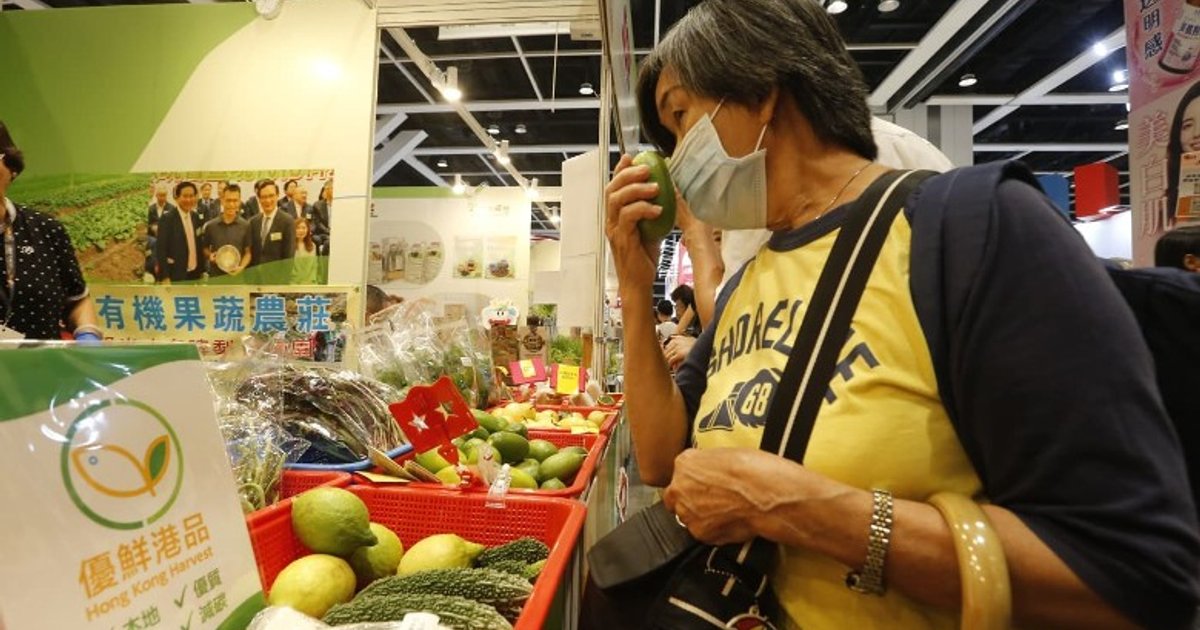
Local Fresh HK, a new unified brand for Hong Kong's fishing and agricultural products, made its Food Expo debut on August 14, 2026, presenting three signature innovations alongside a comprehensive QR code traceability system. The brand, established by the Agriculture, Fisheries and Conservation Department in mid-2026, promotes four core principles: local sourcing, quality assurance, food safety, and carbon reduction. Ocean Park serves as the promotional partner while the Hong Kong Quality Assurance Agency handles certification and testing.
Key Points
- The brand officially launched on July 4, 2026, and is now available across major supermarkets and convenience stores throughout Hong Kong .
- Three signature products debuted at the expo booth 1E-A18: grass shrimp fossil cake ($68), soft-shell lobster fossil cake ($118), and fish floss shortcrust mooncakes ($30 each) .
- Fish floss mooncakes feature two varieties—taro fish floss and salted egg fish floss—created in partnership with century-old pastry maker Hang Heung Lau Pastry Shop .
- Every Local Fresh HK product carries a QR code label enabling consumers to verify origin, production dates, packaging times, food safety test results, and farm details .
- The QR code system includes tamper-proof technology displaying "void" if removed, preventing unauthorized reuse .
Why It Matters
The initiative addresses growing consumer concerns about food safety in Hong Kong while supporting local fishing and farming communities. By providing transparent traceability, the brand enables residents to make informed choices, potentially shifting consumption toward locally-sourced, seasonal produce that reduces carbon emissions from imported goods .
The initiative addresses growing consumer concerns about food safety in Hong Kong while supporting local fishing and farming communities. By providing transparent traceability, the brand enables residents to make informed choices, potentially shifting consumption toward locally-sourced, seasonal produce that reduces carbon emissions from imported goods .