Japanese tantanmen shows craft-driven ramen obsession
AM730 · 1 SOURCESabout 2 hours ago4 MIN
Summary
Japanese tantanmen has moved beyond its origins as a Sichuan street food to become a distinct branch of Japan’s ramen culture, according to a feature published on November 25. The report says the dish was reshaped in Japan through decades of refinement focused on broth, minced meat seasoning and house-made chili oil, with specialist shops now expressing strong individual styles
Key Points
- The feature says tantanmen began as a soup-less, heavily numbing and spicy noodle sold by street vendors in Sichuan before being adapted in Japan
- It credits Chen Kenmin (陳建民), described as a “godfather” of Chinese cuisine in Japan and father of chef Chen Kenichi, with adding broth and reducing the heat
- Japanese ramen artisans are described as concentrating their craft on house-made meat miso, slow-cooked with sweet flour paste and doubanjiang, and on chili oil extracted from dozens of spices
- The broth is presented as a defining element, commonly combining sesame paste with pork-bone or creamy chicken stock to balance sweetness, acidity, bitterness and heat
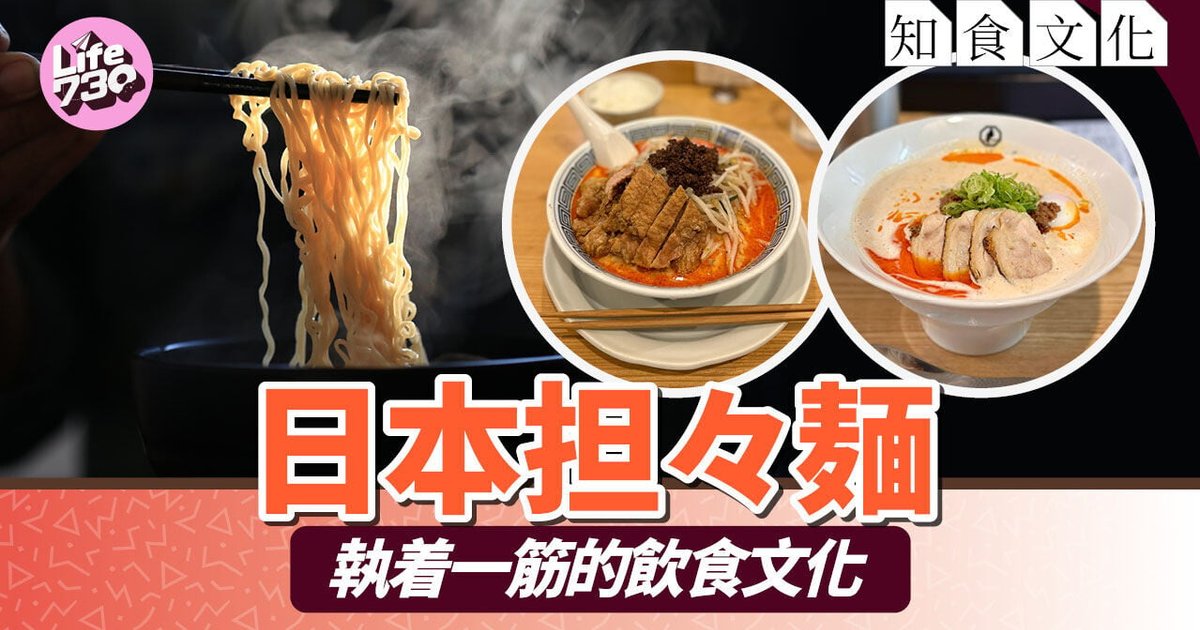
- Two highlighted shops are Kisurin Akasaka in Tokyo’s Minato ward, known for pork-rib tantanmen, and Kinkeiro Honten in Kyoto’s Nakagyo ward, noted for elegant Sichuan pepper aroma
Why It Matters
For Hong Kong diners, the feature offers a clear example of how a Chinese-origin dish can be transformed abroad into a highly codified specialty without losing its roots. It also points to the growing appeal of ramen subgenres defined not just by region, but by the precision of stock, spice oil and topping technique