Residents mourn as Tang defends memorial risk checks
AM730 · 6 SOURCESabout 1 hour ago5 MIN
Summary
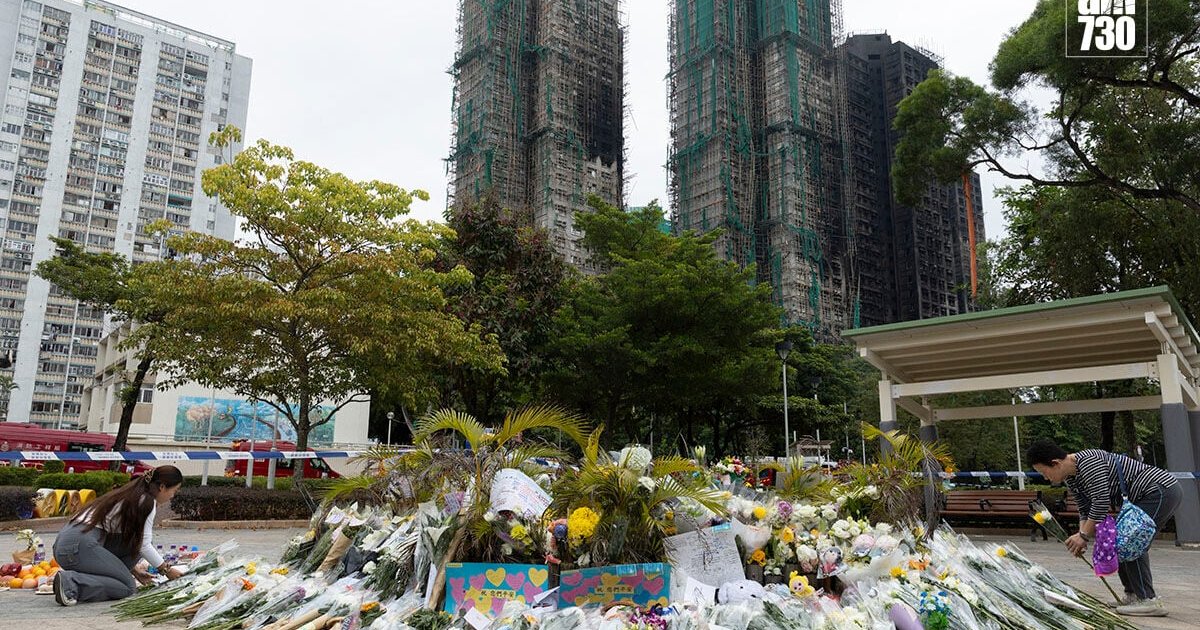
On November 25, the eve of the first anniversary of the Wang Fuk Court fire in Tai Po, residents, students and other members of the public went to a rest garden on Kwong Fuk Road to lay flowers, bow and pray for the victims. Some former residents said they were still grieving friends lost in the blaze and wanted another chance to return to their flats to retrieve belongings of sentimental value before demolition. Separately, Secretary for Security Chris Tang Ping-keung (鄧炳強) said any lawful memorial activity could go ahead, but organizers should contact police in advance so authorities could assess risks and, if appropriate, offer assistance. Tang said police had a duty to prevent memorials from being hijacked for incitement or false claims that could destabilize society.
Key Points
- The fire at Wang Fuk Court in Tai Po broke out on November 26 last year, and on.cc reported that 168 people were killed in the five-alarm blaze
- On November 25, mourners gathered at the Kwong Fuk Road rest garden, where flowers were placed and some people folded their hands, closed their eyes or bowed in remembrance.
- Former resident Mrs Poon of Wang Chi House said she had lived in Wang Fuk Court for more than 40 years and still hoped for a third visit upstairs to collect keepsakes and certificates.
- A Form Five student surnamed Lau said he came after school because the tragedy should not be forgotten, while a woman from Hong Kong Island brought two bouquets for human and animal victims.
- Tang said police asking organizers for event details and a contact number was reasonable, and that risk assessments would consider attendance, format and possible incitement.
Why It Matters
For bereaved families and displaced residents, the anniversary has become both a public act of mourning and a renewed appeal over unresolved practical issues such as access to homes and the pace of follow-up arrangements. For churches and civic groups planning commemorations, Tang's remarks mean even lawful memorials may face advance contact with police and scrutiny over format, turnout and messaging.