One in Five EV Estate Projects Face Delays
HK01 · 1 SOURCESabout 2 hours ago2 MIN
Summary
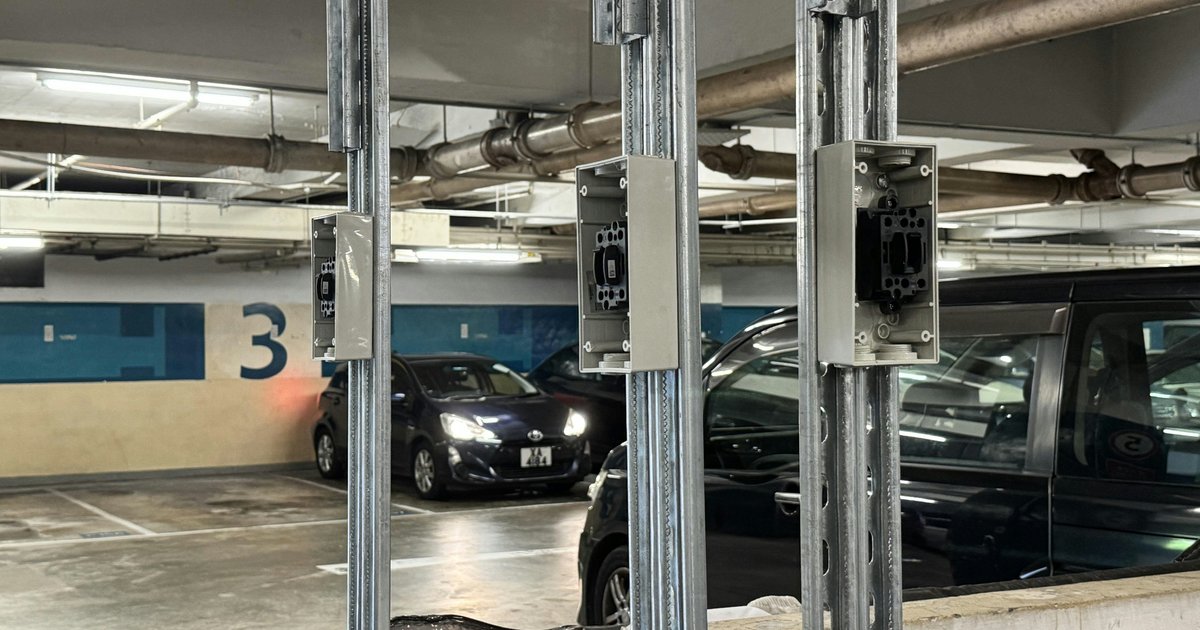
Hong Kong’s Environmental Protection Department said 12 housing estates under the EV-charging-at-home subsidy scheme are facing delays of about one to 12 months, while seven of those projects will be retendered and five are expected to finish within this year. Consultants involved in the works told HK01 that delays are more widespread than the official figure suggests, with some projects originally scheduled for 150 days still unfinished after about 450 to 515 days.
Key Points
- The Environmental Protection Department launched the EV-charging-at-home subsidy scheme in 2020 with HK$3.5 billion, capping support at HK$30,000 per parking space or HK$15 million per estate, whichever is lower.
- HK01 reported in August that contractor Boda had 10 unfinished estate charging projects, with some delayed by a year, involving contracts worth HK$200 million and at least HK$27 million in approved subsidies.
- Consultants said charging works commonly run at least three months late, and daily liquidated damages in contracts are usually about HK$1,000 to HK$5,000, potentially exceeding HK$1 million after a year’s delay.
- Under the subsidy rules, any unused grant arising from lower final payments to contractors, including delay penalties, must be returned to the government rather than kept by the estate.
- The department said 559 estates have completed works, 61 are still under construction, and among 49 projects meant to be progressing on schedule, 12 are delayed, including seven set for retendering.
Why It Matters
The dispute points to a structural problem in how publicly funded estate charging projects are supervised: consultants say warning letters alone do little to force slow contractors to finish. For residents and owners’ corporations, the risk is longer waits, possible retendering, and added uncertainty where households may already need to contribute money for larger projects not fully covered by subsidies.