University Food Court Vendor Told No Rice Sales After Renovation Spree
SingTao · 2 SOURCESabout 5 hours ago4 MIN
Summary
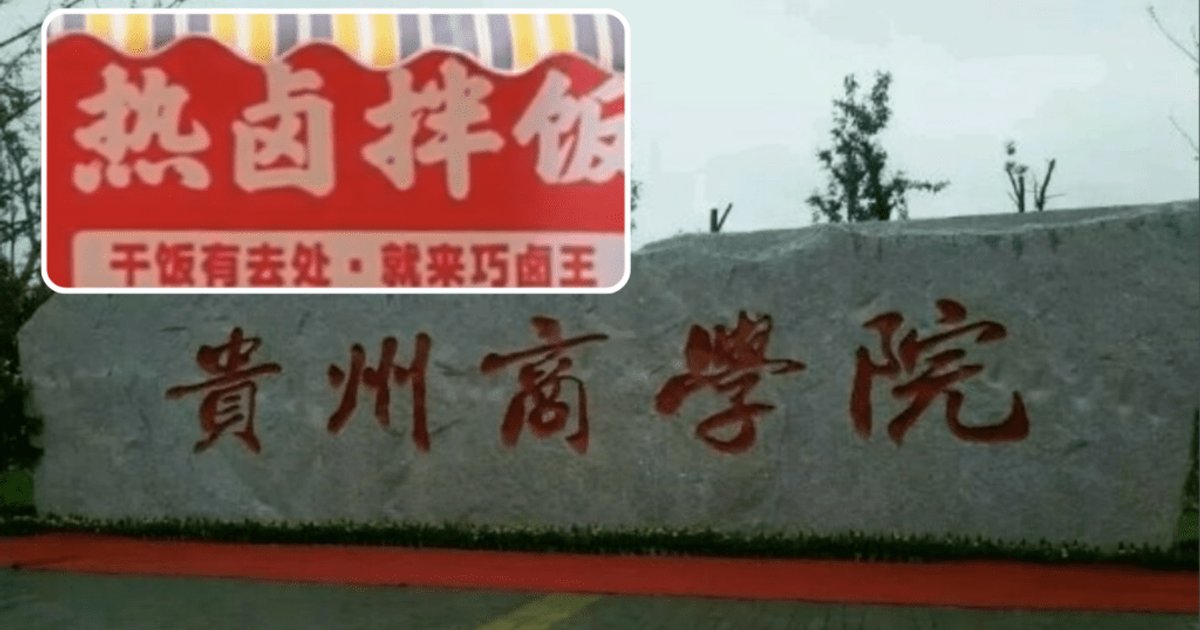
A business dispute at a university food court in Guiyang, Guizhou Province, has drawn widespread public attention after a vendor was told he could not sell rice meals—just days before his planned opening—despite having received prior verbal approval and investing heavily in renovations.
Key Points
- Mr. Cheng (程先生), a tenant on the campus food street operated by Guizhou Business College, was informed after completing renovations that selling rice was prohibited in the food court
- The food street is managed under a three-party structure: the college leases the space to Zhongkua Catering (中快餐飲), which then subleases to individual vendors
- Cheng spent two months renovating his stall and planned to open on September 1, only to be told rice dishes were off-limits to avoid competition with the campus cafeteria
- The college claims the food street is positioned for light meals like milk tea and noodles, yet several vendors continue selling rice under special permits
- Cheng's rental contract is with Zhongkua Catering, whose management acknowledges promising braised pork rice sales but says it is still negotiating with the school; refunds for rent and deposit are possible, but renovation costs will not be covered
Why It Matters
This case exposes the pitfalls of ambiguous contractual commitments in campus commercial spaces, where vendors can suffer significant financial losses due to last-minute policy reversals . It also raises questions about institutional accountability—allowing some vendors to sell rice while banning others undermines public trust in fair management and echoes longstanding concerns about cafeteria monopolies at Chinese universities .
This case exposes the pitfalls of ambiguous contractual commitments in campus commercial spaces, where vendors can suffer significant financial losses due to last-minute policy reversals . It also raises questions about institutional accountability—allowing some vendors to sell rice while banning others undermines public trust in fair management and echoes longstanding concerns about cafeteria monopolies at Chinese universities .