Dim sum bonds overtake US dollar debt in Hong Kong
SingTao · 7 SOURCESabout 16 hours ago6 MIN
Summary
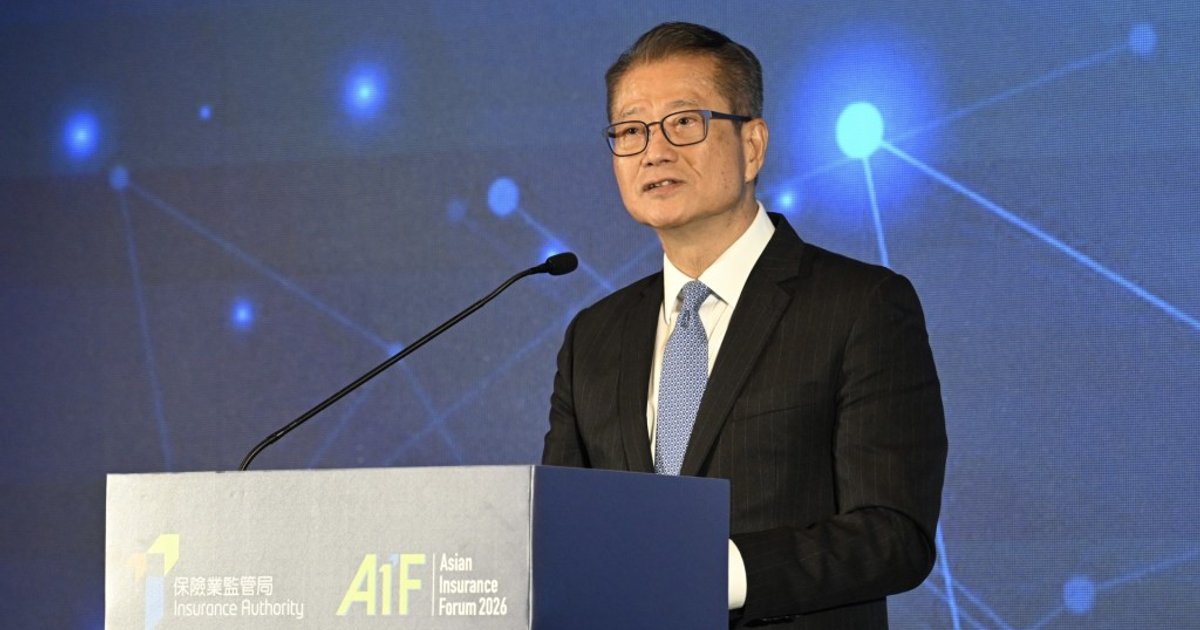
Financial Secretary Paul Chan Mo-po (陳茂波) said Hong Kong’s financial and trade development is shifting from rapid accumulation in scale to deeper value creation. He said offshore renminbi bonds issued in Hong Kong, commonly known as dim sum bonds, expanded quickly this year and accounted for 38% of total listed bond issuance in the first three quarters, the first time they have surpassed US dollar bonds. Chan linked that trend to the coming launch by Hong Kong Exchanges and Clearing of an offshore renminbi bond index on November 16 in Central, which he described as a missing benchmark for a growing market. He also tied the finance story to Hong Kong Maritime Week 2026, arguing that shipping, like finance, should move beyond volume toward higher-value services such as financing, insurance and arbitration.
Key Points
- Chan said dim sum bonds represented 38% of Hong Kong’s listed bond issuance in the first three quarters, making the renminbi the city’s largest bond issuance currency for the first time.
- He said issuers have become more diverse, ranging from mainland technology companies to overseas governments and financial institutions using dim sum bonds as a funding channel.
- Hong Kong processes about 75% of global offshore renminbi payments, has a renminbi liquidity pool of about RMB1.3 trillion, and has seen dim sum bond issuance exceed RMB1 trillion for two straight years.
- The new HKEX offshore renminbi bond index is the exchange’s first bond index, covering more than 300 Hong Kong-listed dim sum bonds and intended to support ETFs and index funds.
- As of October 31, the index covered 305 dim sum bonds with about RMB850 billion in notional principal, an average yield of 2.08%, average coupon of 2.29%, and average duration of four years
Why It Matters
A recognised benchmark could make Hong Kong’s offshore renminbi bond market easier to price, track and package into investment products, strengthening the city’s role in renminbi financing and asset allocation. For Hong Kong readers, Chan’s message is that the city’s next phase of growth depends less on raw throughput and more on higher-margin financial and maritime services that can hold up in a more fragmented global economy.