Education Bureau Defends Teaching Pinyin Input Method to Primary 2 Students
SingTao · 3 SOURCESabout 2 hours ago2 MIN
Summary
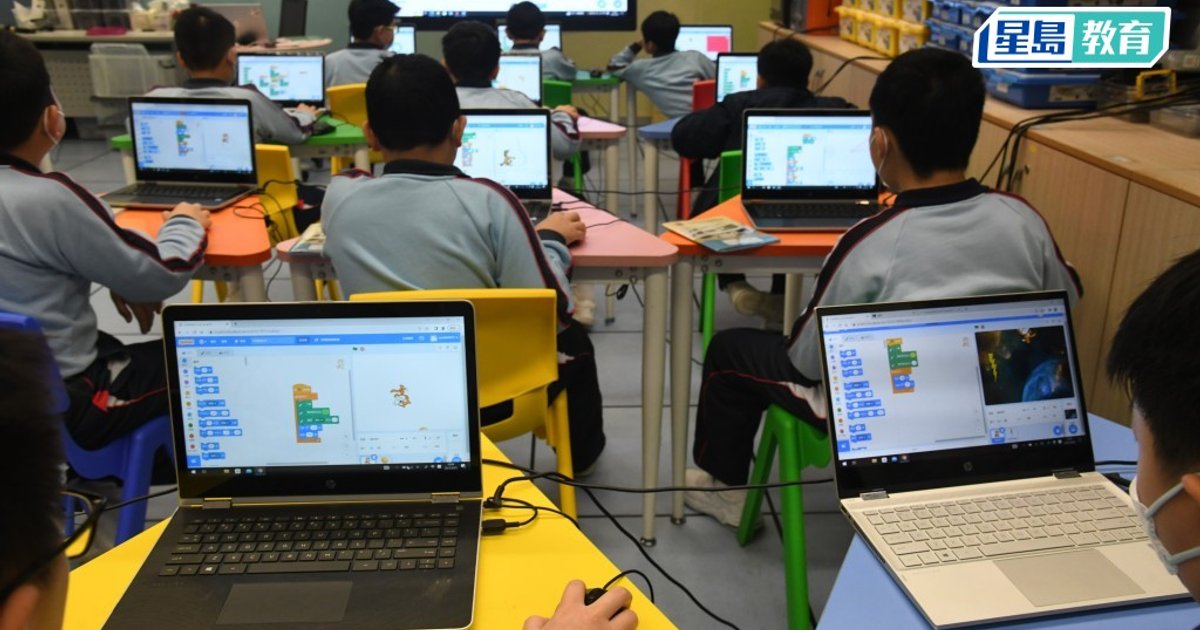
The Education Bureau on Monday published an article on its official online column "Policy Perspective" defending its recommendation for Primary 2 students to learn Pinyin input method for Chinese typing under the proposed Information and Innovation Technology curriculum . The Bureau argued that since students already begin learning Pinyin in their Mandarin classes, teaching Pinyin-based input methods allows them to apply existing knowledge rather than start from zero . The move has attracted social debate as the curriculum framework does not include Hong Kong's commonly-used Cangjie or Quick input methods .
Key Points
- The Education Bureau published the proposed Primary Information and Innovation Technology Curriculum Framework (Draft) last month, requiring P2 students to "initially use keyboards with Pinyin input methods to enter Chinese characters"
- The Bureau emphasized that students already learn Pinyin in Mandarin lessons, giving them a preliminary phonetic foundation and familiarity with the 26-letter English keyboard layout, making Pinyin input method an "application of learning, complementary approach"
- The Bureau explained that Pinyin input requires no additional configuration or character-decomposition logic, unlike Cangjie input, which would require students to learn an entirely new system from scratch, adding to learning burden
- Regarding Cantonese Pinyin input, the Bureau stated the phonetic system lacks consistency, making it difficult for teachers and students to master
- The Bureau noted the new curriculum recommends spending only about 3 classroom sessions teaching input methods, allowing students to experience typing Chinese on keyboards; students may learn other input methods later based on personal needs
Why It Matters
The curriculum change reflects the Bureau's effort to streamline language and technology education by leveraging synergies rather than introducing parallel learning systems. As Hong Kong's education system continues to balance bilingualism with digital literacy, such policy decisions will shape how future generations acquire both Chinese language skills and technological competence in an increasingly digital world .
The curriculum change reflects the Bureau's effort to streamline language and technology education by leveraging synergies rather than introducing parallel learning systems. As Hong Kong's education system continues to balance bilingualism with digital literacy, such policy decisions will shape how future generations acquire both Chinese language skills and technological competence in an increasingly digital world .