12 APEC Economies' Leaders to Attend Business Summit in Shenzhen; US Absent
On.cc · 2 SOURCESabout 16 hours ago2 MIN
Summary
Twelve APEC economic leaders will address the APEC CEO Summit in Shenzhen this week, with notable absence of the United States at the leadership level. The China Council for the Promotion of International Trade (CCPIT) confirmed that leaders from 12 economies including China, Hong Kong, Australia, Canada, Chile, Indonesia, South Korea, Malaysia, Mexico, Russia, Thailand, and Vietnam will speak, present remarks, or participate in panel discussions at the summit scheduled for Tuesday to Wednesday .
Key Points
- The APEC CEO Summit serves as a key component of the broader APEC Leaders' Week, to be held in Shenzhen
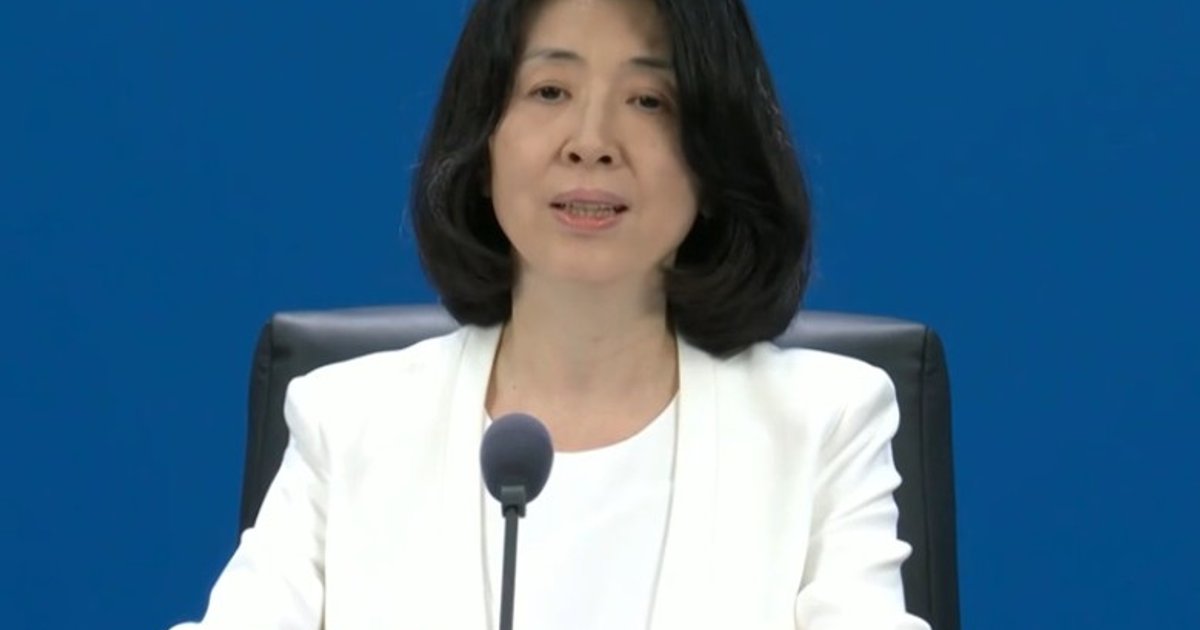
- CCPIT Vice Chairman Li Qingshuang announced on Sunday that 115 Fortune 500 company representatives will attend, with US companies comprising nearly 20% of foreign participants—highest among all foreign economies
- US President Donald Trump will not attend the summit, opting instead to visit Manila on Tuesday for the ASEAN summit before arriving in Shenzhen on Wednesday for the 33rd APEC Economic Leaders' Meeting
- Multiple international organization heads and business association leaders from the US, Russia, and Japan will also be present at the summit
- Xi Jinping is among the confirmed speakers, joining counterparts from 11 other member economies at the two-day business forum
Why It Matters
The summit brings together the region's most influential business and political leaders at a time of significant economic uncertainty, creating opportunities for bilateral deals and policy coordination despite geopolitical tensions . The US absence at the leadership level, while American companies maintain strong representation, highlights the complex dynamics between formal government engagement and corporate interests in Asia-Pacific trade .
The summit brings together the region's most influential business and political leaders at a time of significant economic uncertainty, creating opportunities for bilateral deals and policy coordination despite geopolitical tensions . The US absence at the leadership level, while American companies maintain strong representation, highlights the complex dynamics between formal government engagement and corporate interests in Asia-Pacific trade .