Holistic Care Targets Root Causes of Knee Pain
SingTao · 1 SOURCESabout 9 hours ago2 MIN
Summary
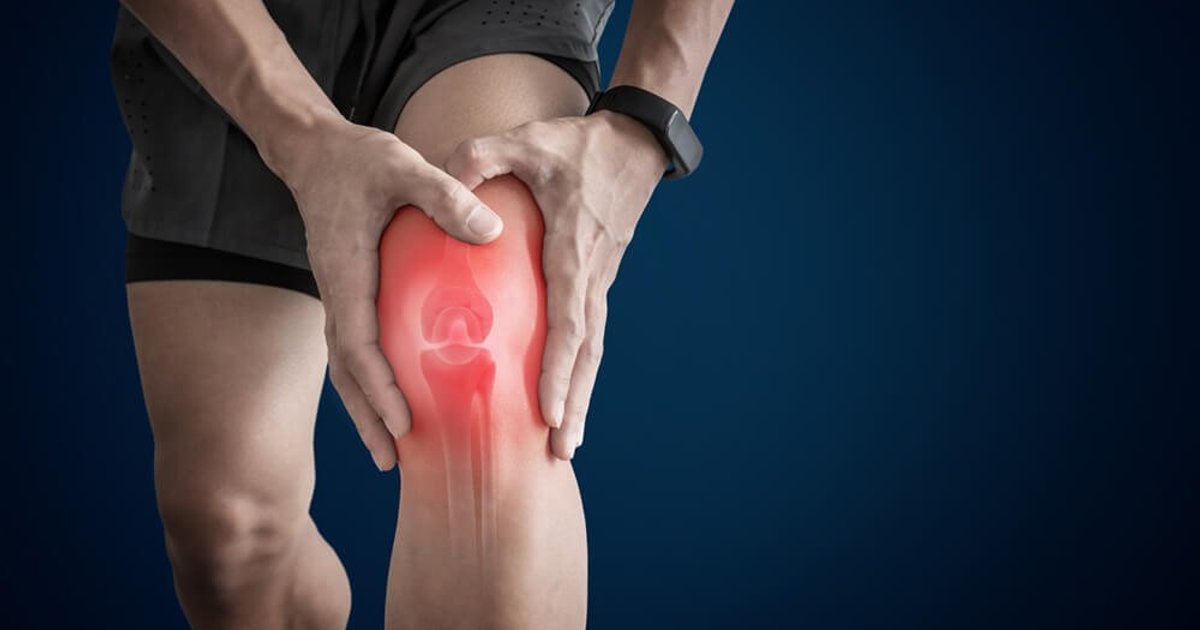
A sports medicine specialist says knee pain is often driven by biomechanical causes rather than pain alone, and treatment should therefore focus on the whole lower-limb chain . The column highlights how flat feet, X-shaped knees, O-shaped legs and even one-sided “K-leg” deformity can shift pressure inside the knee and speed up cartilage damage . It adds that prolonged sitting and poor posture, such as during late-night football viewing, may trigger recurrent pain when a person stands up and starts walking . A holistic plan of stretching, muscle strengthening, coordination work and home exercises is presented as a practical way to reduce symptoms and address causes .
Key Points
- The column links prolonged sitting, poor posture and cross-legged sitting during late-night World Cup viewing to flare-ups of old knee pain and weak walking after standing .
- In X-knee alignment, the lower leg bends outward, increasing force on the outer femur-tibia surfaces and causing faster cartilage wear and patellar displacement .
- Holistic treatment includes stretching tissues tightened by flat feet, loosening outer ankle and lateral knee ligaments, and strengthening medial ankle and knee muscles .
- The article says patients can often follow a home self-treatment plan, with noticeable improvement after two or three follow-up consultations instead of weekly visits .
- O-shaped legs overload the inner knee compartment, leading to cartilage wear, tibial plateau collapse, lax lateral ligaments, secondary osteoarthritis and possible knee replacement .
Why It Matters
The piece reframes knee pain as a structural and movement-related problem, not simply a symptom to be soothed temporarily with local treatment . That matters because untreated alignment issues can worsen joint wear, limit walking and stair use, and eventually lead to major surgery such as knee replacement . Home-based exercise and self-management also suggest a more sustainable path for long-term musculoskeletal care .