Malaysia Airlines Jet Aborts Takeoff After Engine Fault at Tokyo Narita Airport
AM730 · 2 SOURCESabout 3 hours ago2 MIN
Summary
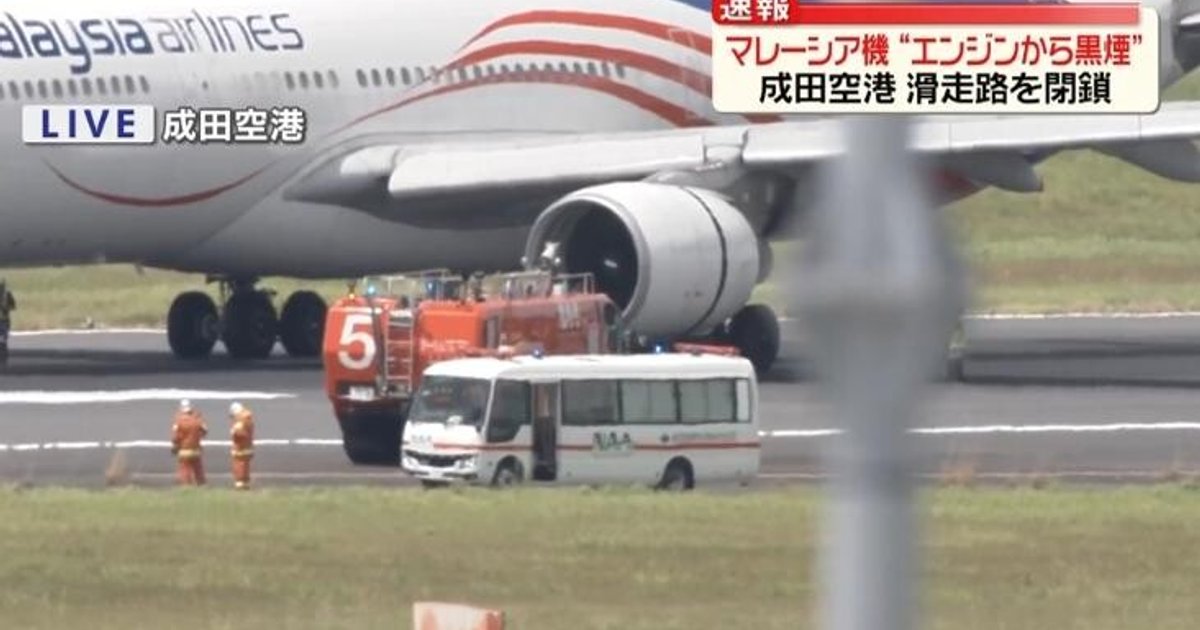
A Malaysia Airlines Airbus A330 aircraft bound for Kuala Lumpur experienced a mechanical failure at Tokyo's Narita Airport on Thursday morning, August 20, forcing the crew to abort takeoff shortly before departure. The incident, which occurred during taxiing for takeoff, involved the aircraft's left engine malfunctioning and reportedly emitting dark smoke. All passengers and crew members were safely evacuated with no injuries reported. The occurrence led to the closure of one of Narita Airport's primary runways, disrupting flight operations for several hours.
Key Points
- Malaysia Airlines Flight MH89 was preparing to depart Narita Airport for Kuala Lumpur when its left engine failed around 10:40 a.m. local time
- Fire crews responded to the airport after officials reported visible dark smoke coming from one of the aircraft's engines
- The Airbus A330 was carrying 162 passengers and crew members, though one source cited 160 as the figure
- No injuries were reported among the 162 people on board following the emergency abort procedure
- Narita Airport's A Runway was closed for approximately two and a half hours while officials conducted inspections
Why It Matters
This incident highlights ongoing safety concerns regarding aging aircraft systems and emergency response protocols at major international hubs. The successful evacuation without casualties demonstrates the effectiveness of crew training, but the extended runway closure underscores the operational ripple effects such mechanical failures can have on global air travel networks. Airlines and aviation regulators may face renewed scrutiny over maintenance standards for long-haul fleet aircraft.
This incident highlights ongoing safety concerns regarding aging aircraft systems and emergency response protocols at major international hubs. The successful evacuation without casualties demonstrates the effectiveness of crew training, but the extended runway closure underscores the operational ripple effects such mechanical failures can have on global air travel networks. Airlines and aviation regulators may face renewed scrutiny over maintenance standards for long-haul fleet aircraft.