Hebei Woman Wakes in Ice Coffin After False Death Declaration
SingTao · 2 SOURCES1 day ago2 MIN
Summary
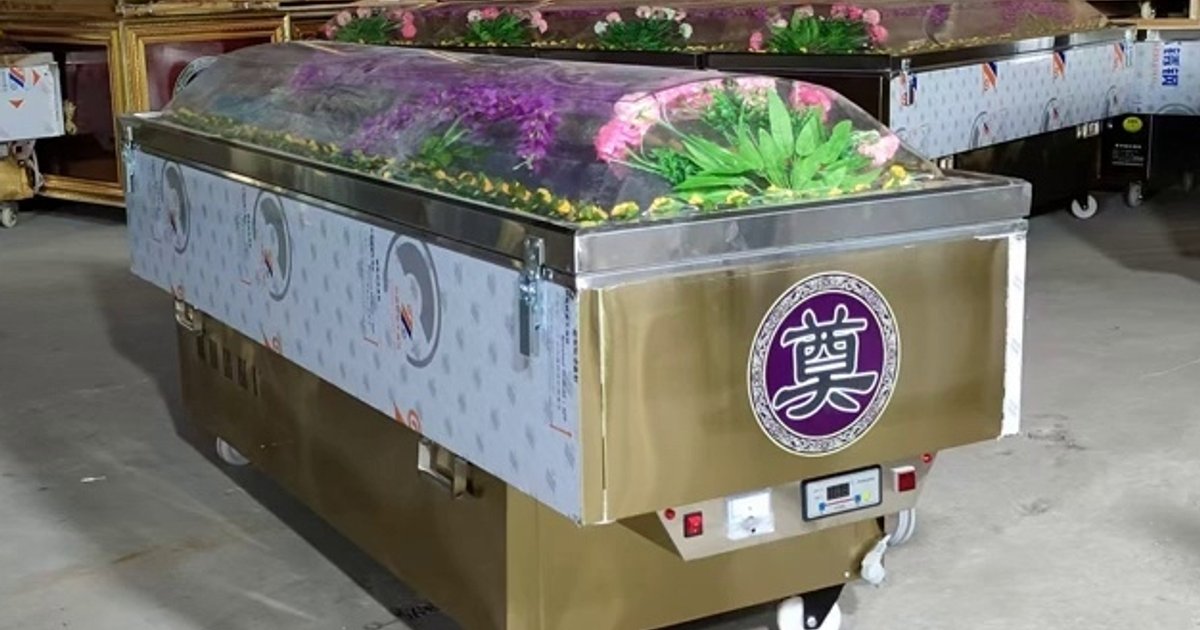
A tragic case of mistaken death has emerged from Hebei Province, where a woman in her seventies who had been battling terminal cancer was briefly declared dead by her family and placed in an ice coffin. The woman, from Liugu Temple Town in Hejian City, Cangzhou, reportedly showed signs of life the following day when her daughter-in-law heard faint sounds coming from the coffin. Despite being quickly removed and cared for, the woman's body had already become too weak to sustain itself, and she passed away two days later. The incident has reignited discussions about the medical criteria for determining death.
Key Points
- The 70-year-old woman had terminal cancer with widespread metastasis, and was discharged from hospital as incurable
- On September 8, family members found her breathing and pulse extremely weak, and initially concluded she had died
- The ice coffin was set to refrigeration mode rather than freezing, to keep her body soft while waiting for out-of-town relatives
- Her daughter-in-law heard faint humming sounds on the evening of September 9, approximately one day after she was placed in the coffin
- Medical experts state that pseudo-death involves extremely faint heartbeat and breathing, slow metabolism, and deep coma that mimics death
Why It Matters
This incident highlights the importance of rigorous clinical criteria for death determination. Hospital staff must verify multiple indicators - absence of carotid pulse, no spontaneous breathing, dilated pupils, cyanotic skin, and a flatline ECG - before declaring someone deceased . With modern medical equipment capable of detecting even the faintest vital signs, the line between life and death has become increasingly nuanced, raising ethical questions about how death is defined and when families should be notified.
This incident highlights the importance of rigorous clinical criteria for death determination. Hospital staff must verify multiple indicators - absence of carotid pulse, no spontaneous breathing, dilated pupils, cyanotic skin, and a flatline ECG - before declaring someone deceased . With modern medical equipment capable of detecting even the faintest vital signs, the line between life and death has become increasingly nuanced, raising ethical questions about how death is defined and when families should be notified.