ICAC, UNODC launch illicit enrichment training course
HK01 · 4 SOURCES1 day ago6 MIN
Summary
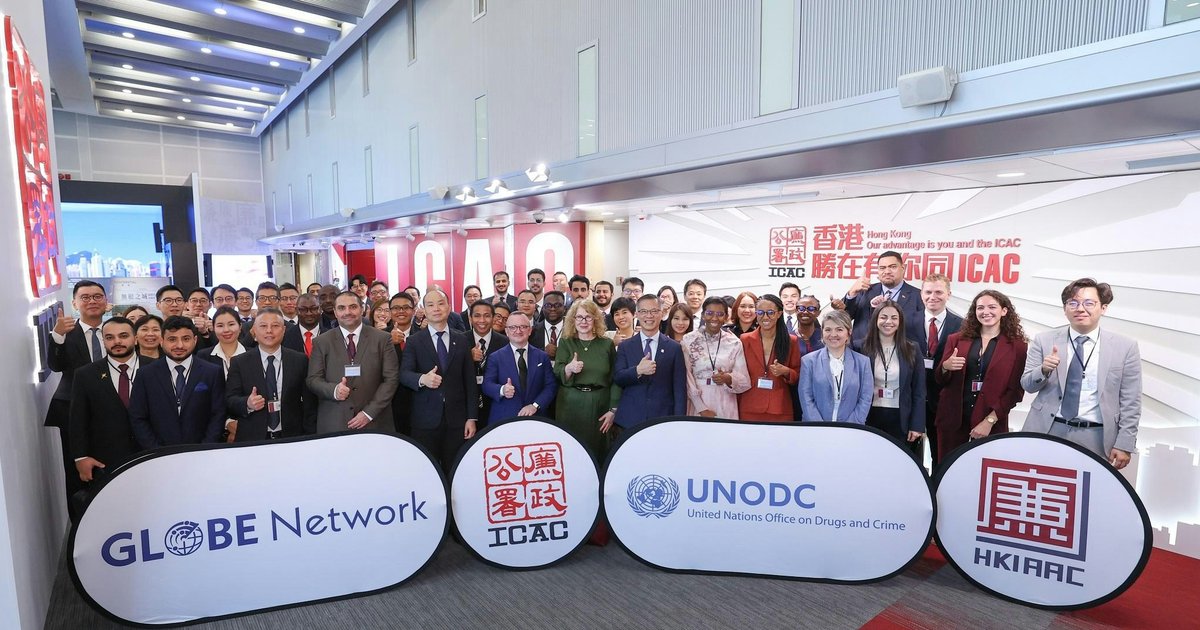
Hong Kong’s Independent Commission Against Corruption, the Hong Kong International Academy Against Corruption, the United Nations Office on Drugs and Crime, and the GlobE Network have launched their first Professional Training Programme on Investigating Illicit Enrichment of Public Officials. The 10-day course brings together 35 anti-corruption and law enforcement personnel from 19 jurisdictions to examine investigative approaches to illicit enrichment cases involving public officials. The curriculum combines legal and operational topics, including asset tracing, money laundering methods, cryptocurrency-related crime and anti-corruption responses, with lectures, case studies and practitioner exchanges led by ICAC senior officers and forensic accounting experts. Participants will also make a four-day study visit to Guangzhou and visit Hong Kong’s Legislative Council to exchange views on anti-corruption and illicit enrichment work.
Key Points
- Acting Commissioner of the ICAC Danny Au Shu-chun (丘樹春) said illicit wealth among public officials erodes trust in government, damages integrity systems and deprives society of development opportunities.
- Au said tracing, exposing and recovering illicit assets is not only anti-corruption work, but also a foundation for the rule of law and clean global finance.
- UNODC chief of the Global Programme on Criminal Network Disruption Neil Walsh said investigators’ ability to trace, freeze and recover illicit wealth is crucial
- Guest speakers include experts from UNODC, the Basel Institute on Governance, the Hong Kong Jockey Club, City University of Hong Kong and blockchain specialists.
- Participating bodies also include the Guangdong Provincial Supervisory Commission, Macao’s Commission Against Corruption, Hong Kong Police, Customs, the Securities and Futures Commission and the Hong Kong Jockey Club.
Why It Matters
For Hong Kong readers, the programme shows the city continuing to position itself as a regional training hub for anti-corruption enforcement and financial crime investigation. It also links Hong Kong’s own institutions with overseas agencies and nearby mainland counterparts, which matters because illicit assets, laundering methods and cryptocurrency transactions often move across borders.