Mandatory Elderly-Friendly Building Rules Take Effect This Month
HK01 · 1 SOURCESabout 2 hours ago5 MIN
Summary
Revised Building (Planning) Regulations mandating elderly-friendly and accessible design features in new buildings came into force this month, with industry representatives saying the requirements will not impose significant cost burdens . The Hong Kong Institute of Surveyors and the Buildings Department both confirmed that compliant materials such as anti-slip floor tiles are already commonplace and similarly priced to non-compliant alternatives .
Key Points
- The mandatory requirements apply to new building projects submitted after the effective date, or projects not yet approved for commencement by the Buildings Department .
- Existing buildings undergoing renovation are exempt unless the works require formal building plan submission or minor works documentation to the Buildings Department .
- Public area mandates include automatic doors at main entrances, improved corridor lighting, wider doorways with lower thresholds, slip-resistant flooring, larger accessible lift cars with mirrored surfaces, and double handrails on main staircases with lower risers and deeper treads .
- Private residential unit requirements include wider entrance doors with lower thresholds, plus slip-resistant flooring in bathrooms, kitchens and toilets .
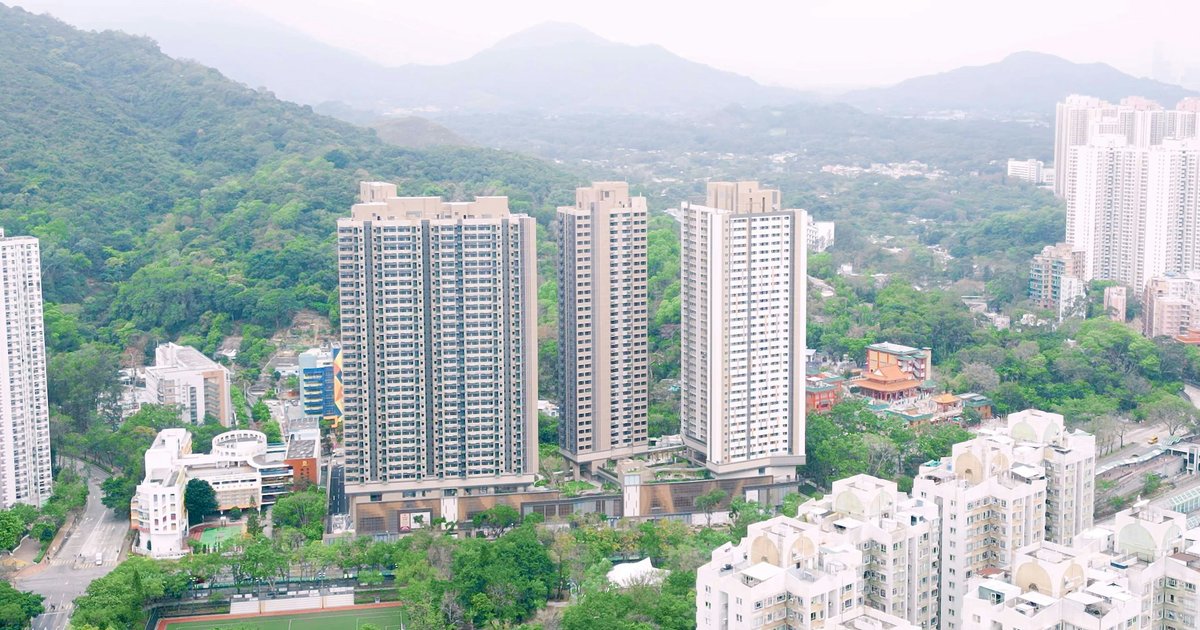
- The Housing Society's dedicated resettlement estate "Lok Ling Metropolitan" (樂嶺都匯) in Fanling has already implemented the mandatory design, featuring automatic entrance doors and wider passageways .
- The government has also introduced 28 incentive-based design features, with most qualifying for gross floor area and site coverage exemptions without the usual 10 percent cap, to offset developer costs .
Why It Matters
Hong Kong's rapidly ageing population makes accessible housing infrastructure increasingly critical for maintaining elderly residents' independence and reducing fall-related injuries at home . The phased implementation approach, combined with area exemptions for voluntary enhancements, aims to balance immediate safety improvements with industry adaptability while encouraging developers to exceed minimum standards .
Hong Kong's rapidly ageing population makes accessible housing infrastructure increasingly critical for maintaining elderly residents' independence and reducing fall-related injuries at home . The phased implementation approach, combined with area exemptions for voluntary enhancements, aims to balance immediate safety improvements with industry adaptability while encouraging developers to exceed minimum standards .