Hong Kong Scholar Proposes Strength-Based Model to Transform Schizophrenia Care
SCMP · 1 SOURCESabout 2 hours ago2 MIN
Summary
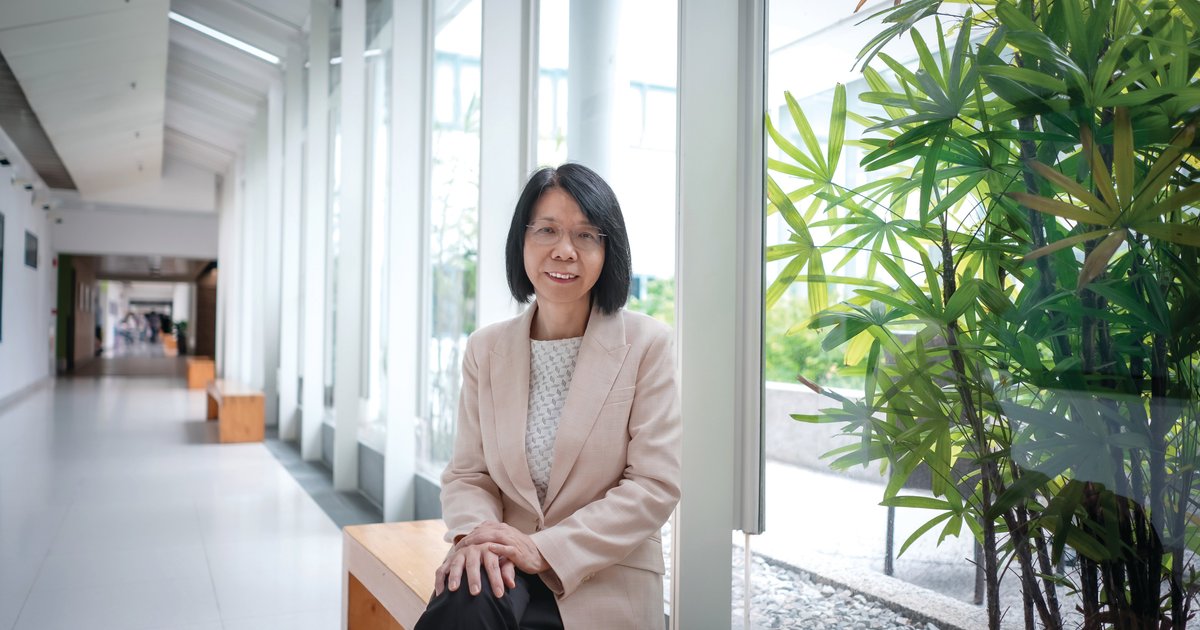
Professor Sylvia Kwok from City University of Hong Kong is championing a fundamental shift in how Hong Kong treats people with schizophrenia, moving away from a deficit-focused model that merely stabilises symptoms toward a strength-based approach that builds hope, identity and life goals. Her research over the past decade in Hong Kong's halfway houses suggests the current system, which defines success by bed occupancy and symptom reduction, leaves recovering patients in what she calls an existential vacuum.
Key Points
- Around 40,000 people in Hong Kong live with schizophrenia, many navigating a system primarily designed to stabilise symptoms and shorten hospital stays .
- Professor Sylvia Kwok, from CityUHK's Department of Social and Behavioural Sciences, has spent the past decade conducting research inside Hong Kong's halfway houses to examine alternative care models .
- She critiques the dominant deficit model, which focuses on reducing hallucinations, social withdrawal and cognitive deficits without addressing broader recovery needs .
- Her proposed strength-based model emphasises building internal resources such as resilience, gratitude and forgiveness rather than solely treating symptoms .
- Kwok argues the current system defines success too narrowly, measuring performance through bed occupancy and symptom reduction rather than holistic recovery outcomes .
Why It Matters
This research comes as Hong Kong's mental health services face increasing scrutiny, with the proposed model potentially influencing how policymakers redesign psychiatric care pathways and halfway house services across the territory .
This research comes as Hong Kong's mental health services face increasing scrutiny, with the proposed model potentially influencing how policymakers redesign psychiatric care pathways and halfway house services across the territory .