Archaeological Evidence Pushes Drug Use Back to 25,000 Years Ago in Indonesia
Bbc · 2 SOURCESabout 2 hours ago2 MIN
Summary
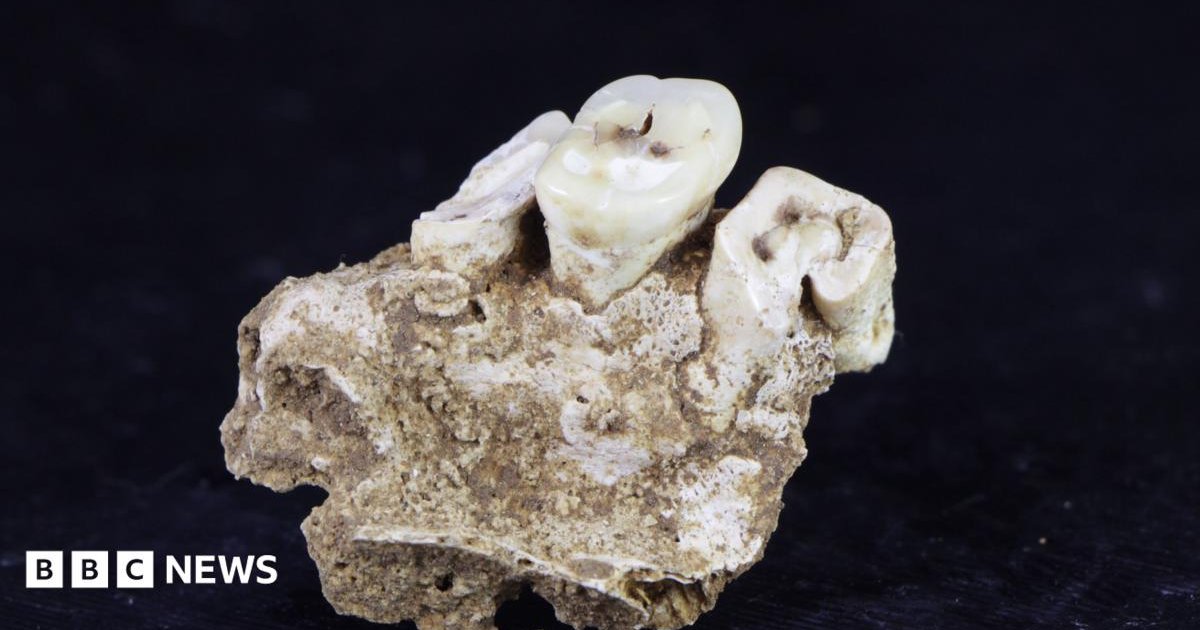
Australian archaeologists have uncovered evidence that humans were using mind-altering substances in Indonesia as early as 25,000 years ago—far earlier than previously thought. Researchers from Griffith University examined skeletal remains from Sulawesi and found dental wear patterns consistent with habitual betel nut chewing, suggesting ancient foragers consumed the psychoactive seeds thousands of years before the advent of agriculture. The discovery pushes back the timeline of recreational drug use by at least 12,000 years and challenges fundamental assumptions about the origins of human substance consumption.
Key Points
- Griffith University researchers discovered two forager skeletons on Sulawesi dating to 25,000-16,000 and 7,600-6,300 years ago respectively
- Both specimens displayed deep, rounded tooth grooves caused by prolonged sucking of whole betel nuts, confirmed through experimental reconstruction
- Betel nuts (Areca catechu seeds) produce mild euphoria and heightened alertness when consumed, ranking as the world's fourth most used psychoactive substance
- Professor Adam Brumm stated this may represent "the earliest evidence for drug use anywhere in the world," surpassing fermented alcohol from 13,000 years ago
- About one-tenth of the global population currently chews betel nuts, primarily in South and Southeast Asia
Why It Matters
This discovery fundamentally reshapes our understanding of human behaviour and the deep historical roots of psychoactive substance use. The research suggests that modern drug-taking behaviours are not modern aberrations but are instead deeply embedded in ancient foraging traditions, indicating that humanity's relationship with mind-altering substances predates civilization itself .
This discovery fundamentally reshapes our understanding of human behaviour and the deep historical roots of psychoactive substance use. The research suggests that modern drug-taking behaviours are not modern aberrations but are instead deeply embedded in ancient foraging traditions, indicating that humanity's relationship with mind-altering substances predates civilization itself .