Ocamp accused denies claims as fourth complainant testifies
HK01 · 4 SOURCESabout 1 hour ago2 MIN
Summary
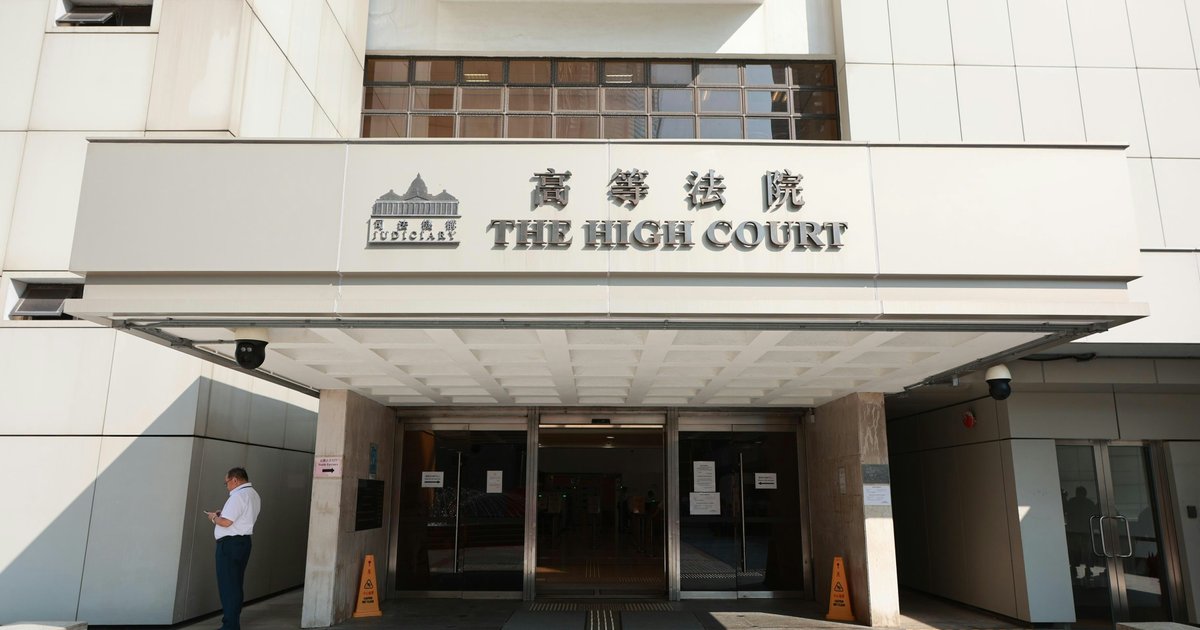
The High Court on Tuesday heard two strands of evidence in the trial of Y.L.H., a 31-year-old defendant accused over alleged sexual offences linked to Education University orientation activities and another incident at Fei Ngo Shan. A fourth complainant, identified as D, told the court the defendant repeatedly touched her during an orientation camp and that she felt he was deliberately taking advantage of the situation. The court also viewed a recorded police interview in which Y.L.H. denied indecently assaulting complainant C in his car, saying any intimate conduct would only happen with consent and suggesting C fabricated the allegation because she was jealous or saw no prospect of a relationship.
Key Points
- Y.L.H., now 31 and a student at the time, denies three counts of indecent assault, one count of rape and one count of voyeurism in case HCCC153/2024.
- The charge involving complainant C alleges he indecently assaulted her on 23 August 2023 on a roadside in the New Territories after an Education University Games Society orientation day.
- C earlier testified he touched her shoulder and back during dinner, then in the car touched her hand, thigh and chest, forced her legs apart and rubbed his clothed genitals against her for about three seconds.
- In the recorded interview, Y.L.H. denied any assault, said he would not touch a woman’s thigh before even holding hands, and said he stopped near Ting Kau Bridge because it was “a romantic place”.
- A fourth complainant, D, testified that at the 27 August 2023 orientation camp he pinched her shoulder, brushed her thigh, moved between her legs and put an arm around her, leaving her frightened and uncomfortable.
Why It Matters
The latest hearing broadens the focus from the car allegation involving complainant C to a separate account from complainant D, adding to the court’s assessment of whether the alleged conduct formed a wider pattern across orientation-related events. For Hong Kong readers, the case also keeps attention on student safety, consent and boundaries during university orientation activities, where informal social settings can become central to serious criminal allegations.