GLP-1 Weight Loss Does Not Uniquely Strip Muscle
AM730 · 1 SOURCESabout 13 hours ago5 MIN
Summary
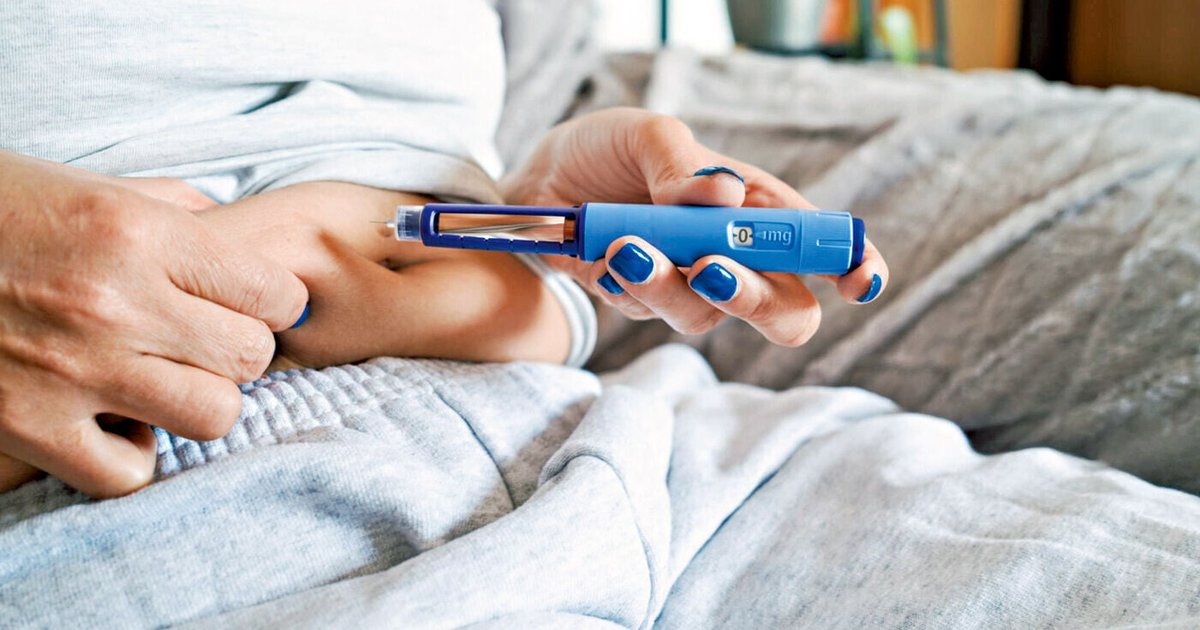
Hong Kong obesity specialist 周振中 said online claims that GLP-1 “slimming pens” uniquely cause heavy muscle loss are inaccurate, because some lean mass is lost in any fat-reduction process . He explained that weight loss works by creating a calorie deficit, but if the pace is too fast, the body may start converting protein and muscle into glucose for energy . He added that medical treatment aims chiefly to cut visceral fat, and an effective, healthier target is losing around one to two pounds a week . He also warned that normal-weight people should not pursue weight-loss treatment, including slimming injections, because excessive muscle loss can damage mobility, metabolism, bone health and immunity over time .
Key Points
- Dr. 周振中 said all weight-loss approaches typically involve about 10% to 30% muscle loss during fat reduction, not only GLP-1 treatment .
- Weight loss begins when calorie intake falls below calorie use, prompting the body to burn stored fat, especially excess visceral fat .
- If weight drops too quickly and fat stores cannot meet energy needs, the body may break down protein and muscle for glucose .
- A medically effective pace is about one to two pounds weekly, with the main goal of reducing harmful visceral fat .
- Extreme methods such as VLCD, meal replacements or cutting carbohydrates may cause ketosis, hair loss, nutrient deficiency and metabolic slowdown .
Why It Matters
The report reframes a popular fear around GLP-1 drugs by placing muscle loss in the broader physiology of weight reduction rather than treating it as a drug-specific effect . It also highlights a public-health concern in Hong Kong’s slimming culture: people of normal weight, or those using aggressive diets without supervision, may face avoidable long-term harm including sarcopenia risk and poorer metabolic health .