Survey: Half of Food Aid Recipients Receive Unsuitable Items; Organization Proposes Flexible Exchange System
AM730 · 1 SOURCESabout 2 hours ago2 MIN
Summary
Food recovery organization Food Angel released a survey revealing that while 96.8% of grassroots citizens express satisfaction with current food aid services, nearly half of recipients have received food unsuitable for their needs, with some redistributing or discarding items. The survey, conducted from June to July, interviewed 502 grassroots residents, of whom 342 had received free food assistance in the past three months. The findings highlight the need for food aid programs to address not only distribution quantity but also recipients' health requirements, cooking conditions, and social connections.
Key Points
- Survey of 502 grassroots residents found 76.1% prioritize "low price" when purchasing food, while only 16.8% consider nutritional value as their primary factor
- 49.1% of aid recipients report receiving unsuitable food occasionally or more frequently; 53.6% cited items not matching their or family members' tastes
- 30.1% received food incompatible with health conditions such as reduced chewing ability or dietary restrictions from chronic illnesses
- The "lonely eating" phenomenon affects 56.4% of respondents, with 32.3% nearly completing all meals alone and 23.5% eating alone despite living with others
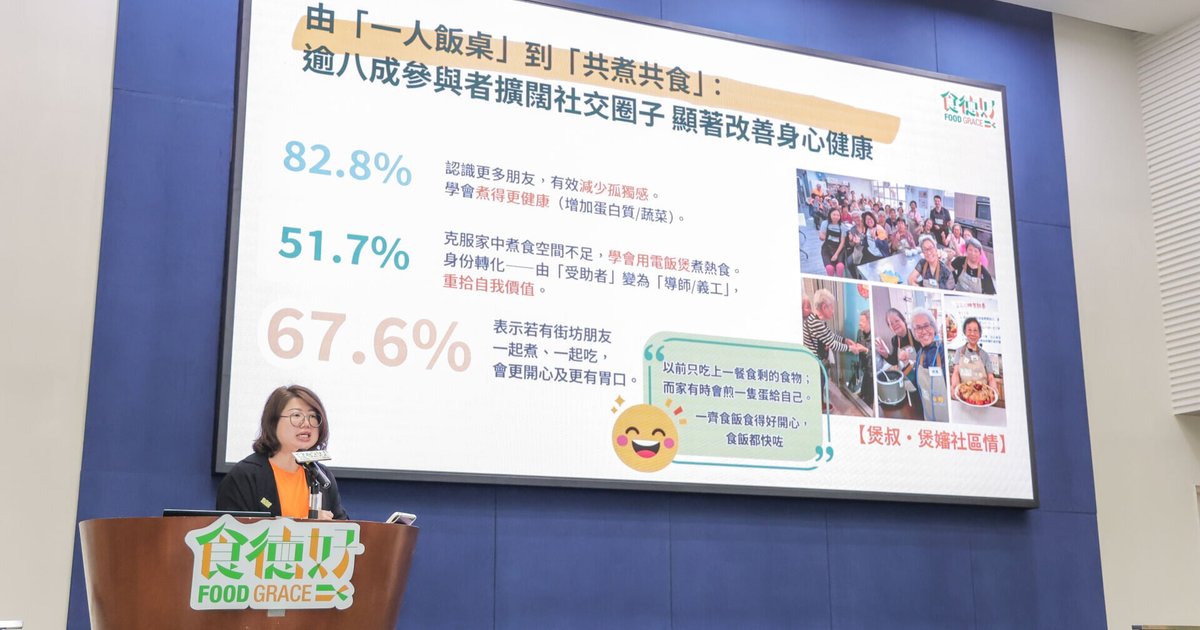
- Food Angel project manager Lo Kyut-san advises food aid programs should focus on recipients' health needs, cooking conditions, and social connections rather than just distribution volume
Why It Matters
The survey exposes a gap between food aid supply and actual recipient needs in Hong Kong's grassroots community. With rising food prices forcing 44.6% of respondents to reduce purchases of protein sources like meat, fish, and eggs, the current one-size-fits-all approach to food distribution may be undermining nutritional outcomes for vulnerable populations. Food Angel's recommendations for flexible exchange mechanisms and community cooking programs could reshape food assistance from mere charity into a more dignified, effective system that addresses both nutritional deficiency and social isolation among the city's most disadvantaged residents .
The survey exposes a gap between food aid supply and actual recipient needs in Hong Kong's grassroots community. With rising food prices forcing 44.6% of respondents to reduce purchases of protein sources like meat, fish, and eggs, the current one-size-fits-all approach to food distribution may be undermining nutritional outcomes for vulnerable populations. Food Angel's recommendations for flexible exchange mechanisms and community cooking programs could reshape food assistance from mere charity into a more dignified, effective system that addresses both nutritional deficiency and social isolation among the city's most disadvantaged residents .