Huizhou Heritage Comes Alive During Qingming Visit
SingTao · 1 SOURCESabout 7 hours ago5 MIN
Summary
Art historian and critic 陳祖泳 writes that he makes a point of travelling in mainland China every spring and chose Huangshan, Anhui, this year because of his interest in intangible cultural heritage . Arriving during Qingming week, he encountered local customs that blended ancestral rites, village ritual and everyday hospitality, including daytime firecrackers and the making of green qingming guo filled with spring bamboo shoots and cured pork . He was especially struck by Huizhou fish lantern displays in Xidi and Hongcun, and by the way architecture, food and festival practice together created what locals call a “living Along the River During the Qingming Festival” . The account also traces how dishes such as Huizhou hairy tofu and stinky mandarin fish remain part of a broader heritage system rooted in craft, preservation and regional identity .
Key Points
- On Qingming morning, villagers set off firecrackers in daylight to notify ancestors that descendants had come to pay respects .
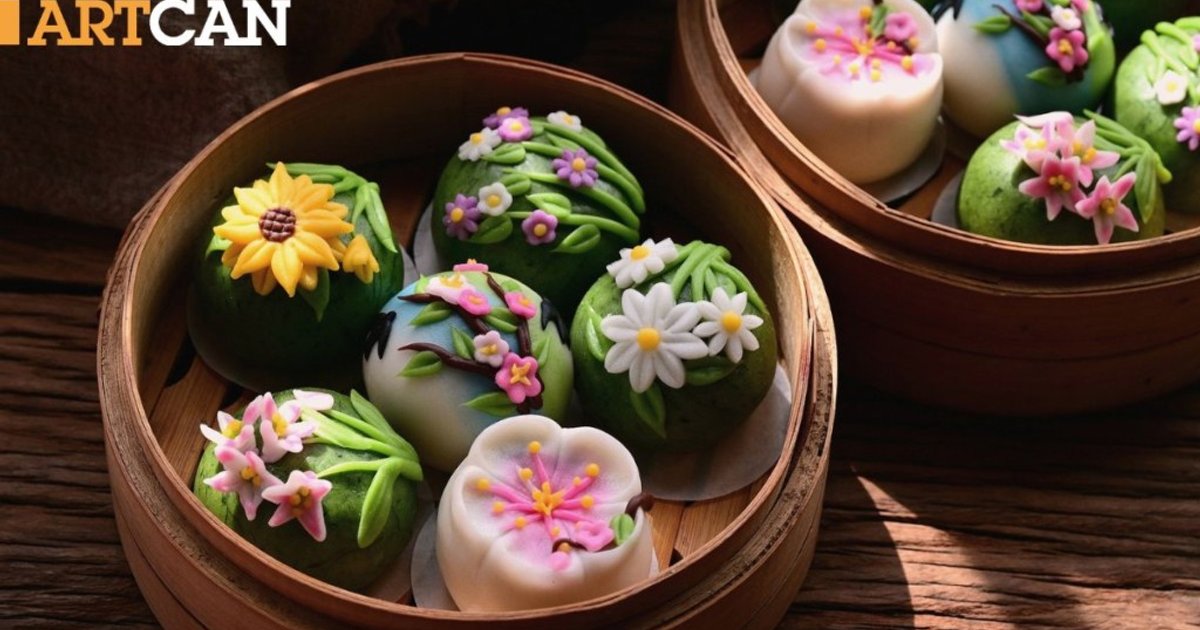
- Families prepared qingming guo, also called hao guo, using wild mugwort juice in rice dough with bamboo shoot and cured pork filling .
- This qingming guo craft was listed as Qimen county intangible cultural heritage in 2021, underscoring its formal cultural recognition .
- Shexian’s Wangmantian fish lantern tradition dates back more than 600 years and was listed as provincial intangible heritage in 2022 .
- Huizhou ham, hairy tofu and stinky mandarin fish are presented as signature foods whose production techniques are also protected heritage .
Why It Matters
The account shows how Qingming in Huizhou is not only a memorial festival but also a living network of ritual, craftsmanship, architecture and cuisine . It also illustrates how intangible cultural heritage designations, from county to provincial level, help frame local practices as part of a shared cultural memory while sustaining tourism and regional identity .