Japanese Screen Legend Keiko Kishida Dies at 93, Starred with Momoe Yamaguchi in 'The Crimson Suspicion'
SingTao · 2 SOURCESabout 3 hours ago2 MIN
Summary
Japanese actress Keiko Kishida passed away on August 7 at her home, the agency confirmed on August 19, 2024. She was 93. The celebrated actress, who enjoyed a career spanning more than seven decades, was known for her roles in classic films and television dramas that earned her a devoted following throughout Asia. Born in Yokohama in 1932, Kishida joined the Shochiku film studio in 1951 and quickly rose to stardom. Her most enduring legacy may be her work in the acclaimed 'Akai' (Red) series starring Momoe Yamaguchi, particularly the 1975 drama 'The Crimson Suspicion,' which became a cultural phenomenon across East Asia. Beyond her acting career, Kishida was also a accomplished writer, publishing several acclaimed books and winning literary awards.
Key Points
- Kishida died on August 7 at her residence due to old age and frailty; her family held a private funeral per her wishes
- She rose to fame in 1953-1954 starring in the film trilogy 'What Is Your Name?' as Chieko Uieji; the headscarf style she wore became a national trend called the 'Chieko perm'
- In 1956, she starred in 'Nagasaki Story' and married French director Yves Ciampi the following year, with Nobel laureate Yasunari Kawabata serving as their witness
- She won the Japan Academy Prize for Best Actress in 2002 for 'Mother' directed by Kon Ichikawa, and Best Supporting Actress in 2003 for 'The Twilight Samurai'
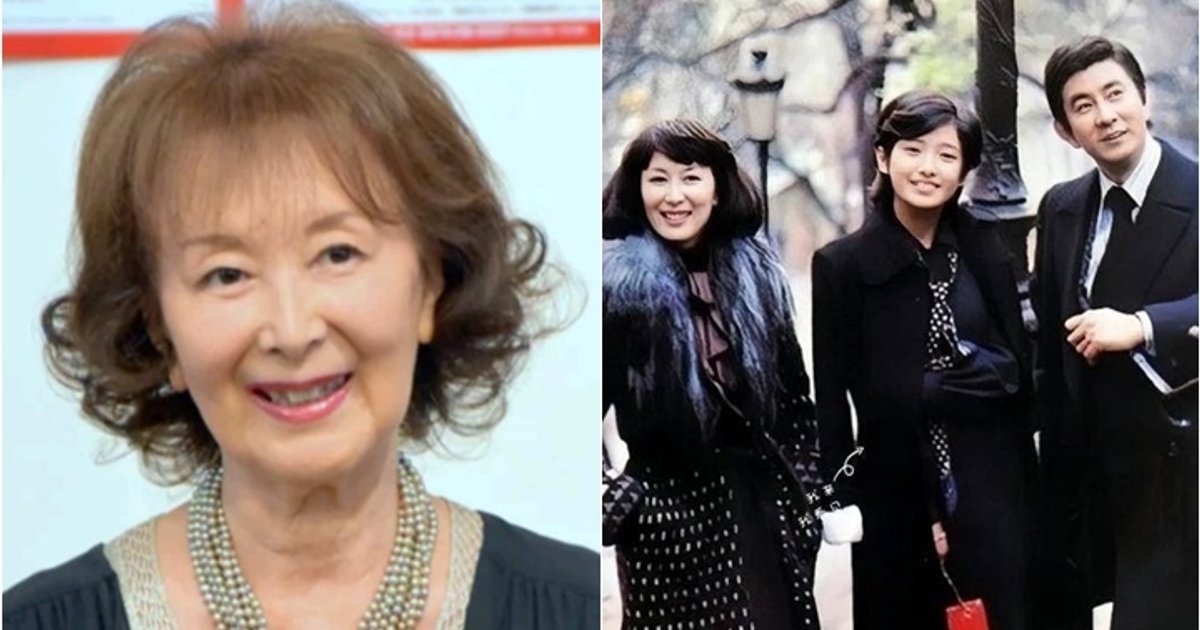
- Kishida appeared alongside Momoe Yamaguchi and Toshiaki Karube in 'The Crimson Suspicion' (1975), part of the popular 'Red' series that achieved massive success across Asia
Why It Matters
Kishida's passing marks the end of an era for Japanese cinema, as she was among the last of the postwar silver screen icons who helped bridge Japanese culture with Western audiences through collaborations with international directors including David Lean. For Hong Kong viewers who grew up watching subtitled Japanese dramas in the 1970s and 80s, Kishida's performances in the 'Red' series represent a nostalgic connection to a formative period of Asian popular culture, and her literary achievements underscore how her influence extended far beyond the screen.
Kishida's passing marks the end of an era for Japanese cinema, as she was among the last of the postwar silver screen icons who helped bridge Japanese culture with Western audiences through collaborations with international directors including David Lean. For Hong Kong viewers who grew up watching subtitled Japanese dramas in the 1970s and 80s, Kishida's performances in the 'Red' series represent a nostalgic connection to a formative period of Asian popular culture, and her literary achievements underscore how her influence extended far beyond the screen.