Proposed Sharp Island marine park targets crab catching
HK01 · 1 SOURCESabout 3 hours ago2 MIN
Summary
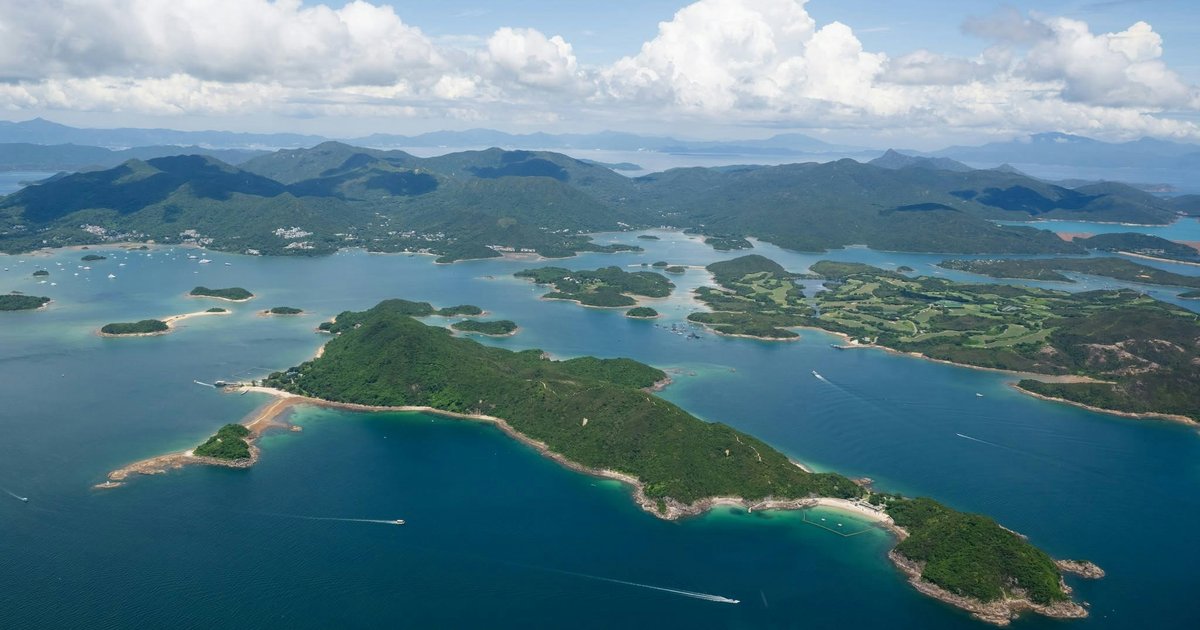
The government is actively preparing a proposed marine park around Sharp Island in Sai Kung, an area that has become popular with residents and tourists but is not currently covered by the Marine Parks Ordinance . Officials say the designation would give enforcement officers legal powers to stop ecologically damaging acts, including visitors catching crabs on the shore, and would also prohibit fishing in waters to the island’s east and west . The proposed park is being promoted for conservation, education, scientific research and recreation, with authorities also planning speed restrictions in western waters and reserving some waters for water activities . Environmental group Greenpeace, however, has criticised the proposed boundary as too fragmented because it excludes northern and southern waters that it says also contain dense coral and an ecologically important seagrass bed .
Key Points
- Hong Kong currently has eight marine parks, but Sharp Island has not been included despite its ecological diversity and growing popularity with visitors .
- This year alone, media reports cited tourists catching crabs in plastic bottles and digging up snails, sea urchins and crabs nearby .
- Marine Parks Committee chairman Professor Yau Kin-man said several sites in the proposed area recorded Hong Kong’s highest coral cover, with some above 70% .
- Agriculture, Fisheries and Conservation Department assistant director Chu Chun-wah said eastern waters protect corals, while western waters protect Chinese white dolphins .
- Chu said Sharp Island is easier to reach than other marine parks, so authorities hope to develop it as an open-air classroom .
Why It Matters
For Hong Kong beachgoers and tour operators, the proposal would change what is legally allowed at one of Sai Kung’s most accessible coastal destinations, turning some common visitor behaviour into enforceable offences . It also shows the government trying to balance conservation with recreation by combining habitat protection, education use, speed controls and designated water-activity space in the same area .